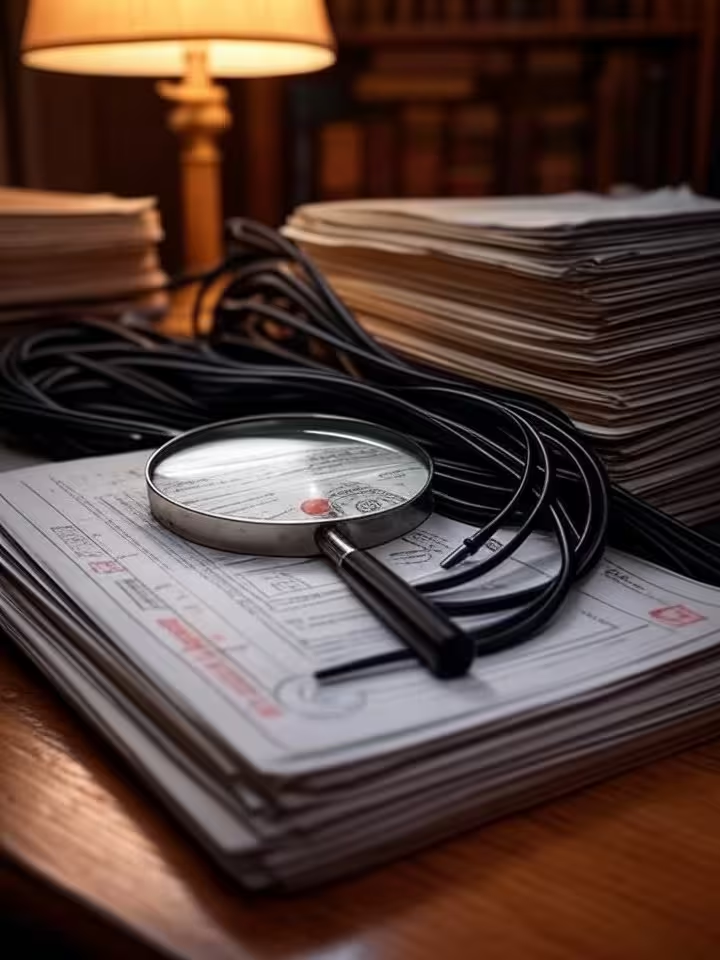
Desde 1954, el Club Bilderberg Las reuniones han funcionado bajo estricta confidencialidad, pero los cables diplomáticos, el periodismo de investigación y las filtraciones digitales han traspasado ocasionalmente el velo. Este archivo basado en pruebas recopila todos los documentos verificables relacionados con la conferencia más secreta del mundo.
Bilderberg nunca ha publicado oficialmente actas de reuniones internas en 70 años de funcionamiento
WikiLeaks cables (2010) proporcionan las referencias más verificadas sobre los debates de Bilderberg
Los supuestos documentos “filtrados” entre 1955 y 1990 siguen sin confirmarse en su mayor parte
La transparencia oficial aumentó a partir de 2009, con listas de participantes y órdenes del día públicos.
La mayoría de las “filtraciones” que circulan son reconstrucciones, informes periodísticos o invenciones.
La verificación requiere referencias cruzadas entre las principales fuentes y autenticación criptográfica.
No existe ningún archivo interno exhaustivo a disposición del público a pesar de décadas de intentos
Introducción: Por qué son importantes las filtraciones de Bilderberg
Cuando aproximadamente 130 de las personas más poderosas del mundo se reúnen anualmente a puerta cerrada, la ausencia de transparencia crea una inevitable demanda de información. El sitio Reuniones Bilderberg, creado en 1954, reúne a jefes de Estado, directores generales, banqueros centrales y ejecutivos de los medios de comunicación bajo estrictas normas de confidencialidad.
A diferencia de otros foros internacionales, Bilderberg no publica actas, no permite grabaciones y, hasta hace poco, la información pública que divulgaba era mínima. Este secretismo ha hecho que cualquier documento filtrado -verificado o no- sea objeto de un intenso escrutinio.
En este exhaustivo análisis, descubrirá:
Todos los documentos filtrados verificables relacionados con Bilderberg desde 1954
Cómo distinguir las filtraciones auténticas de las falsas
Lo que revelan los cables diplomáticos sobre conversaciones privadas
Por qué no se verifican la mayoría de los documentos “filtrados” que circulan por Internet
Evolución de la política de transparencia de Bilderberg
El contexto histórico del secretismo de Bilderberg
La Fundación 1954 y el protocolo de confidencialidad
La primera reunión de Bilderberg se celebró en mayo de 1954 en el Hotel de Bilderberg de Oosterbeek (Países Bajos). El asesor político polaco Józef Retinger y el príncipe holandés Bernhard organizaron la reunión con la confidencialidad explícita como principio fundador.
Según bilderbergmeetings.org, El objetivo de este encuentro era permitir un debate franco, sin restricciones diplomáticas ni posturas mediáticas. Asistieron unos 50 participantes de 11 países, que establecieron pautas que persistirían durante siete décadas.
La era predigital del control de la información (1954-1999)
Antes de la proliferación de Internet, la información sobre Bilderberg llegaba principalmente a través de periodistas de investigación que trabajaban en el perímetro de la conferencia. Jim Tucker, de The Spotlight, pasó décadas cultivando fuentes entre el personal del hotel, el personal de seguridad y los asistentes de bajo nivel.
Los reportajes de Tucker, aunque influyentes en los círculos de investigación conspirativa, rara vez producían documentos reales. En su lugar, recopiló listas reconstruidas de asistentes y relatos de segunda mano sobre temas de discusión. El reportaje de The Guardian confirma que Tucker asistió a varias reuniones, pero no obtuvo documentos internos verificados.
Un artículo publicado en 1975 en The Spotlight afirmaba que en la reunión de Çeşme (Turquía) se habían dado detalles sobre la manipulación de los precios del petróleo. Sin embargo, nunca se presentó documentación de apoyo, lo que ilustra la dependencia de la época de fuentes anónimas en lugar de materiales filtrados.
La transformación digital (2000-2009)
Los foros de Internet y los primeros sitios de denuncias como Cryptome comenzaron a albergar supuestos documentos de Bilderberg a principios de la década de 2000. Un documento titulado “Informe de la Conferencia Bilderberg de 1955” circuló ampliamente, afirmando que detallaba las discusiones sobre la integración europea y la política de energía atómica.
Este informe aparece en sitios como Public Intelligence, pero carece de verificación por parte de cualquier fuente convencional o archivo institucional. La procedencia del documento sigue siendo desconocida. análisis de las teorías conspirativas más comunes sugiere que puede tratarse de una reconstrucción basada en información pública disponible de la época.
La era WikiLeaks: Referencias verificadas a Bilderberg
El Cablegate de 2010
Las filtraciones verificadas más importantes en las que se menciona a Bilderberg se produjeron a través de la publicación por parte de WikiLeaks de cables diplomáticos del Departamento de Estado de EE.UU. en 2010. Aunque no son documentos internos de Bilderberg, estos cables proporcionan referencias autentificadas a las reuniones de fuentes oficiales del gobierno de Estados Unidos.
Entre los cables clave verificados se incluyen:
Junio de 2005 - Cable de la embajada de Berlín (05BERLIN1880): Este cable trata de la participación de Henry Kissinger en la reunión de Rottach-Egern, Alemania. Señala conversaciones sobre las relaciones transatlánticas y menciona asistentes específicos, entre ellos funcionarios alemanes. El cable está autenticado mediante el sistema de verificación criptográfica de WikiLeaks.
Mayo de 2008 - Referencia Chantilly: Un cable de la embajada estadounidense menciona la reunión de Chantilly, Virginia, con referencias indirectas a los asistentes. Los informes iniciales afirmaban que Barack Obama asistió, aunque los registros oficiales y las aclaraciones posteriores indican que no lo hizo.
Estos cables representan material de fuente primaria procedente de los archivos del gobierno estadounidense, lo que los convierte en las referencias filtradas más fiables sobre las discusiones de Bilderberg. Sin embargo, proporcionan observaciones externas más que documentos internos de las reuniones.
Los archivos de inteligencia de Stratfor de 2013
WikiLeaks publicó aproximadamente 5 millones de correos electrónicos de la empresa de inteligencia privada Stratfor en 2013. Varios correos electrónicos hacen referencia a Bilderberg, incluido un mensaje de 2011 en el que se habla de la influencia percibida de la conferencia en la política mundial y se menciona a asistentes como Bill Gates.
Representan análisis de inteligencia de terceros y no materiales filtrados de Bilderberg. Confirman que las empresas privadas de inteligencia supervisan las reuniones, pero no dan acceso a las deliberaciones internas.
Catalogación de documentos “filtrados” no verificados
Informe Barbizon 1955
Desde principios de la década de 2000 circula un documento que pretende ser el acta de la segunda reunión de Bilderberg celebrada en Barbizon (Francia). Supuestamente abarca debates sobre la unidad europea, cuestiones coloniales y cooperación en materia de energía atómica.
Estado de verificación: No confirmado. Ningún archivo institucional contiene este documento, y Bilderberg nunca ha reconocido su autenticidad. El documento aparece en sitios de investigación sobre conspiraciones, pero carece de corroboración por parte de fuentes históricas convencionales.
El documento de St. Simons Island de 1957
Otra supuesta filtración afirma documentar la reunión de St. Simons Island, Georgia, en la que se habló de colonialismo y políticas económicas en plena Guerra Fría.
Estado de verificación: Sin confirmar. Este documento adolece de problemas similares: falta de cadena de custodia, de verificación institucional y de corroboración por parte de los participantes o de historiadores con acceso a archivos privados.
La carta de invitación de los años 80
El libro de Daniel Estulin de 2007 “The True Story of the Bilderberg Group” (La verdadera historia del Grupo Bilderberg) hace referencia a una carta de invitación filtrada de la década de 1980, en la que se describen el formato de la reunión y las expectativas de los participantes.
Estado de verificación: Sin confirmar. Estulin cita fuentes anónimas y no reproduce el documento completo con detalles verificables. Ningún periodista o investigador independiente ha confirmado haber visto esta carta.
La Agenda de Versalles de 2003
La BBC y otros medios de comunicación informaron de la circulación de un documento que afirmaba ser el orden del día de la reunión de Versalles de 2003 e incluía temas como “Estados Unidos y Europa: ¿A toda velocidad por el camino equivocado?” y debates sobre la guerra de Irak.
Estado de verificación: Sin confirmar. Aunque la BBC reconoció la difusión del documento, no pudo verificar su autenticidad. Es posible que se trate de una reconstrucción exacta basada en información privilegiada, pero no existe confirmación oficial.
El cambio hacia la transparencia después de 2009
Los comunicados oficiales sustituyen a algunas filtraciones
A partir de 2009, Bilderberg comenzó a publicar listas de participantes y temas generales de debate en bilderbergmeetings.org. El sitio evolución de la organización hacia una transparencia limitada puede haber sido una respuesta a la creciente presión pública y a los persistentes intentos de filtración.
La lista de la reunión de Atenas de 2009 incluía al Primer Ministro griego, Kostas Karamanlis, al Secretario del Tesoro estadounidense, Timothy Geithner, y a numerosos ejecutivos de empresas. Esto supuso un importante cambio de política, aunque las actas detalladas de las discusiones siguen siendo confidenciales.
Lo que no incluyen los comunicados oficiales
A pesar de la mayor transparencia, los comunicados oficiales siguen limitándose a:
Listas alfabéticas de participantes (sólo nombres y cargos)
Temas generales de debate (temas generales sin concretar)
Fechas y lugares de reunión
Breve contexto histórico
Excluyen explícitamente:
Actas o transcripciones detalladas
Posiciones o declaraciones individuales
Actas de votación (si se producen votaciones)
Documentos de trabajo o propuestas políticas
Acciones de seguimiento o recomendaciones
Metodología de verificación: cómo evaluar documentos filtrados
Jerarquía de autenticación
Al evaluar las supuestas filtraciones de Bilderberg, los investigadores deben aplicar esta jerarquía de verificación:
Nivel 1 - Fuentes oficiales autenticadas:
Cables de WikiLeaks verificados criptográficamente
Documentos de archivos institucionales (bibliotecas nacionales, depósitos gubernamentales)
Materiales confirmados por varios medios de comunicación
Nivel 2 - Fuentes secundarias creíbles:
Periodismo de investigación de medios establecidos (BBC, Guardian, New York Times)
Investigación académica con fuentes citadas
Relatos históricos corroborados por múltiples fuentes independientes
Nivel 3 - No verificado pero plausible:
Documentos que coinciden con hechos históricos conocidos pero carecen de autentificación
Reconstrucciones basadas en entrevistas a participantes
Materiales de investigadores con un historial de precisión
Nivel 4 - Fabricaciones probables:
Documentos con anacronismos o errores de hecho
Materiales que sólo se encuentran en sitios web conspirativos
Filtraciones que contradicen la información verificada
Documentos sin procedencia ni cadena de custodia
Banderas rojas en supuestas filtraciones
Varios indicadores sugieren que un documento es falsificado:
Anacronismos: Referencias a acontecimientos, tecnologías o terminología que no existían en la fecha del supuesto documento. Un documento de los años sesenta en el que se menciona la Unión Europea (creada en 1993) sería sospechoso.
Incoherencias estilísticas: Los documentos diplomáticos o corporativos siguen unas convenciones de formato específicas. Las desviaciones de estas normas sugieren una fabricación amateur.
Contenido práctico: Los documentos que confirman a la perfección las teorías conspirativas mientras carecen de detalles mundanos son sospechosos. Los verdaderos documentos filtrados suelen contener minucias burocráticas.
Circulación de una sola fuente: Las filtraciones auténticas suelen llegar a varios puntos de venta simultáneamente o difundirse a través de cadenas verificables. Los documentos que solo se encuentran en un sitio web carecen de credibilidad.
Las redes sociales y las modernas demandas por filtraciones
El ecosistema X/Twitter
La plataforma X (antes Twitter) acoge continuas denuncias de filtraciones sobre Bilderberg, pero la verificación resulta difícil. Una búsqueda en 2021 de “Bilderberg leak” (filtración de Bilderberg) dio como resultado numerosas publicaciones con enlaces a archivos PDF que afirmaban ser actas de reuniones de los años sesenta.
El análisis de estos documentos reveló un formato incoherente con las máquinas de escribir de los años sesenta y referencias a hechos ocurridos posteriormente. Se trata de invenciones modernas y no de documentos históricos auténticos.
Reddit y foros de debate
Comunidades como r/conspiracy comparten con frecuencia supuestas filtraciones sobre Bilderberg. En un post de 2022 se afirmaba haber obtenido el orden del día de la reunión de Washington D.C., pero la investigación permitió rastrear el documento hasta un blog no verificado sin conexiones institucionales.
Aunque la verificación colectiva puede ser valiosa, los foros de debate a menudo amplifican afirmaciones no verificadas sin una crítica rigurosa de las fuentes.
Qué revelan realmente las filtraciones verificadas
Coordinación política transatlántica
Los cables autentificados de WikiLeaks confirman que Bilderberg sirve de foro para la alineación de políticas entre Estados Unidos y Europa. El cable de 2005 en el que se habla de la asistencia de Kissinger menciona conversaciones sobre la reducción de las diferencias transatlánticas en cuestiones que van desde el comercio hasta la seguridad.
Esto se alinea con la misión declarada de Bilderberg sobre su sitio web oficial de fomentar el diálogo entre Norteamérica y Europa.
Documentación de Elite Network
Las listas oficiales de participantes desde 2009 documentan las conexiones entre las élites políticas, empresariales y mediáticas. La lista de 2016 incluía a Eric Schmidt, de Google, Reid Hoffman, de LinkedIn, y varios jefes de Estado, lo que confirma el papel de la conferencia en la creación de redes de élite.
No se trata de filtraciones propiamente dichas, sino de agradecimientos oficiales que proporcionan información similar a la que las listas de asistentes filtradas pretendían revelar en décadas anteriores.
Lo que las filtraciones no revelan
Crucialmente, ninguna filtración verificada ha demostrado nunca:
Decisiones políticas concretas tomadas en Bilderberg
Pruebas de manipulación coordinada de elecciones o mercados
Acuerdos secretos que obligan a los participantes a realizar determinadas acciones
Las teorías conspirativas del “gobierno mundial” atribuidas a menudo al grupo
La brecha entre los materiales filtrados y las afirmaciones de la teoría de la conspiración sigue siendo considerable.
Respuestas oficiales a los intentos de filtración
La estrategia del reconocimiento limitado
El comité directivo de Bilderberg nunca ha abordado directamente las denuncias de filtraciones específicas. En su lugar, la organización ha respondido al creciente interés público aumentando progresivamente la transparencia oficial.
Después de que WikiLeaks publicara cables del Departamento de Estado en 2010, Bilderberg no emitió desmentidos ni confirmaciones. Al año siguiente, el sitio web oficial se amplió para incluir más contexto histórico e información sobre las reuniones.
El fundamento de la confidencialidad
Los comunicados oficiales subrayan que la confidencialidad permite un debate franco, sin poses ante el público o los medios de comunicación. Los comunicados de prensa señalan que los participantes asisten a título individual, no como representantes oficiales de sus organizaciones.
Este razonamiento -se acepte o no- explica por qué la organización se ha resistido a publicar actas detalladas a pesar de los intentos de filtración y la presión pública.
Preguntas frecuentes
P: ¿Ha publicado Bilderberg alguna vez actas de reuniones internas?
R: No. En 70 años de funcionamiento, Bilderberg nunca ha publicado actas detalladas ni transcripciones de sus debates. La organización sostiene que la confidencialidad es esencial para su misión de permitir un diálogo franco. Desde 2009, ha publicado listas de participantes y temas generales de debate, pero las deliberaciones internas detalladas siguen siendo privadas.
P: ¿Son auténticos los cables de WikiLeaks sobre Bilderberg?
R: Sí. Los cables del Departamento de Estado de EE.UU. publicados por WikiLeaks están verificados criptográficamente y han sido autentificados por los principales medios de comunicación, entre ellos The New York Times y The Guardian. Sin embargo, se trata de referencias externas a Bilderberg por parte de diplomáticos estadounidenses, no de documentos internos de Bilderberg.
P: ¿Cuál es el documento filtrado más creíble relacionado con Bilderberg?
R: Los materiales más creíbles son los cables diplomáticos de WikiLeaks de 2010, en particular el cable 05BERLIN1880, en el que se habla de la reunión de 2005. Se trata de fuentes primarias verificadas de los archivos del gobierno de Estados Unidos, aunque ofrecen detalles limitados sobre las discusiones reales.
P: ¿Por qué hay tantos documentos “filtrados” de Bilderberg sin verificar?
R: Los estrictos protocolos de confidencialidad de la organización hacen que las filtraciones auténticas sean escasas. Esta escasez crea oportunidades para la fabricación, ya que los teóricos de la conspiración y los bromistas producen documentos falsos para llenar vacíos de información. Sin métodos institucionales de verificación, resulta extremadamente difícil distinguir entre materiales auténticos y falsos.
P: ¿Cómo puedo verificar si una filtración de Bilderberg es auténtica?
R: Haga referencias cruzadas con medios de noticias establecidos, compruebe el archivo institucional, busque autenticación criptográfica, verifique los detalles históricos en busca de anacronismos y evalúe la credibilidad de la fuente. Los documentos encontrados únicamente en sitios web de conspiraciones sin la corroboración de los principales medios de comunicación deben tratarse con extremo escepticismo.
Principales conclusiones
Las fugas verificadas son extremadamente raras: A pesar de siete décadas de operaciones, sólo un puñado de documentos autentificados hacen referencia a Bilderberg, principalmente cables diplomáticos estadounidenses en lugar de registros internos.
WikiLeaks proporciona los materiales más creíbles: El Cablegate de 2010 incluye referencias verificadas criptográficamente a las discusiones de Bilderberg procedentes de fuentes del Departamento de Estado estadounidense.
La mayoría de los documentos que circulan no están verificados: Las supuestas filtraciones de 1955-2000 carecen de autenticación de los archivos institucionales o de las fuentes principales, lo que hace imposible confirmar su autenticidad.
La transparencia oficial aumentó después de 2009: Bilderberg publica ahora listas de participantes y temas generales, reduciendo (pero no eliminando) el vacío de información que los intentos de filtración pretenden llenar.
La verificación requiere una metodología rigurosa: Evaluar documentos filtrados exige cruzar múltiples fuentes, comprobar anacronismos y aplicar normas de verificación jerárquicas.
El archivo sigue incompleto: No existe públicamente ninguna recopilación exhaustiva de documentos internos verificados de Bilderberg, y los protocolos de confidencialidad de la organización hacen improbables futuras filtraciones.
Las filtraciones revelan redes, no conspiraciones: El material verificado documenta la creación de redes de élite y los debates políticos, pero no respalda las afirmaciones de manipulación coordinada o gobierno mundial secreto.
Conexiones documentadas entre el CFR y el Grupo Bilderberg. Un análisis basado en hechos de la red de élite que vincula a ambas organizaciones desde 1921.
Para ofrecer las mejores experiencias, utilizamos tecnologías como las cookies para almacenar y/o acceder a la información del dispositivo. Consentir estas tecnologías nos permitirá procesar datos como el comportamiento de navegación o identificaciones únicas en este sitio. No consentir o retirar el consentimiento, puede afectar negativamente a ciertas características y funciones.
Funcional
Siempre activo
El almacenamiento o acceso técnico es estrictamente necesario para el fin legítimo de permitir el uso de un servicio específico solicitado explícitamente por el abonado o usuario, o con el único fin de llevar a cabo la transmisión de una comunicación a través de una red de comunicaciones electrónicas.
Preferencias
El almacenamiento o acceso técnico es necesario para el fin legítimo de almacenar preferencias no solicitadas por el abonado o usuario.
Estadísticas
El almacenamiento o acceso técnico que se utiliza exclusivamente con fines estadísticos.El almacenamiento o acceso técnico que se utiliza exclusivamente con fines estadísticos anónimos. Sin una citación judicial, el cumplimiento voluntario por parte de su proveedor de servicios de Internet o registros adicionales de un tercero, la información almacenada o recuperada únicamente con este fin no puede utilizarse normalmente para identificarle.
Marketing
El almacenamiento o acceso técnico es necesario para crear perfiles de usuario para enviar publicidad, o para seguir al usuario en un sitio web o en varios sitios web con fines de marketing similares.