Il 69° Bilderberg Meeting ha riunito 130 leader mondiali a Lisbona per discutere di IA, Ucraina e del futuro delle relazioni transatlantiche. Questa analisi basata su prove rivela cosa è realmente accaduto a porte chiuse in uno dei più influenti incontri del 2023.
TL;DR
- 130 partecipanti provenienti da 23 Paesi si sono incontrati a Lisbona dal 18 al 21 maggio 2023, tra cui Stoltenberg della NATO e Bourla di Pfizer.
- 13 argomenti dell'agenda ufficiale incentrati su IA, Cina, Ucraina e sfide fiscali
- Discussioni tenute secondo la regola di Chatham House all'Hotel Pestana Palace
- Movimenti politici degni di nota dopo la riunione in materia di regolamentazione dell'IA e supporto all'Ucraina
- L'incontro ha proseguito una tradizione di 69 anni di dialogo transatlantico privato
- Non sono state emesse risoluzioni formali, ma si è verificata una costruzione informale del consenso.
- Aumento della trasparenza ufficiale con la pubblicazione degli elenchi dei partecipanti e dell'ordine del giorno
Introduzione
Quando 130 tra i leader più influenti del mondo scomparvero nel Pestana Palace Hotel di Lisbona per quattro giorni nel maggio 2023, non stavano pianificando la politica, ma stavano avendo conversazioni che l'avrebbero plasmata.
Il Bilderberg Meeting rappresenta qualcosa di unico nelle relazioni internazionali: uno spazio in cui presidenti, amministratori delegati e capi dei servizi segreti parlano liberamente senza telecamere, votazioni o dichiarazioni ufficiali. Dal 1954, questi incontri annuali hanno facilitato il dialogo ufficioso sulle sfide più urgenti del mondo.
Perché la riunione di Lisbona del 2023 è importante? Si è svolto in un momento critico: L'intelligenza artificiale era appena esplosa nella coscienza pubblica con il lancio di ChatGPT, la guerra in Ucraina stava entrando nel suo secondo anno e le crisi bancarie minacciavano la stabilità finanziaria globale. Gli argomenti discussi - e chi li ha discussi - ci fanno capire dove le élite globali vedono opportunità e pericoli.
In questo articolo imparerete:
- Chi ha partecipato alla riunione del 2023 e cosa rappresenta
- I 13 temi ufficiali dell'agenda e il loro significato globale
- Come il contesto storico del Bilderberg inquadra le discussioni attuali
- Analisi basata sull'evidenza degli sviluppi politici successivi alla riunione
- Cosa distingue i fatti verificati dalle speculazioni
Contesto storico: Da forum della guerra fredda a piattaforma di dialogo globale
Per comprendere il Bilderberg 2023 è necessario capire le sue origini. Gli incontri sono iniziati nel 1954 quando il consigliere politico polacco Jozef Retinger e il principe olandese Bernhard hanno riunito i leader europei e americani all'Hotel de Bilderberg, nei Paesi Bassi.
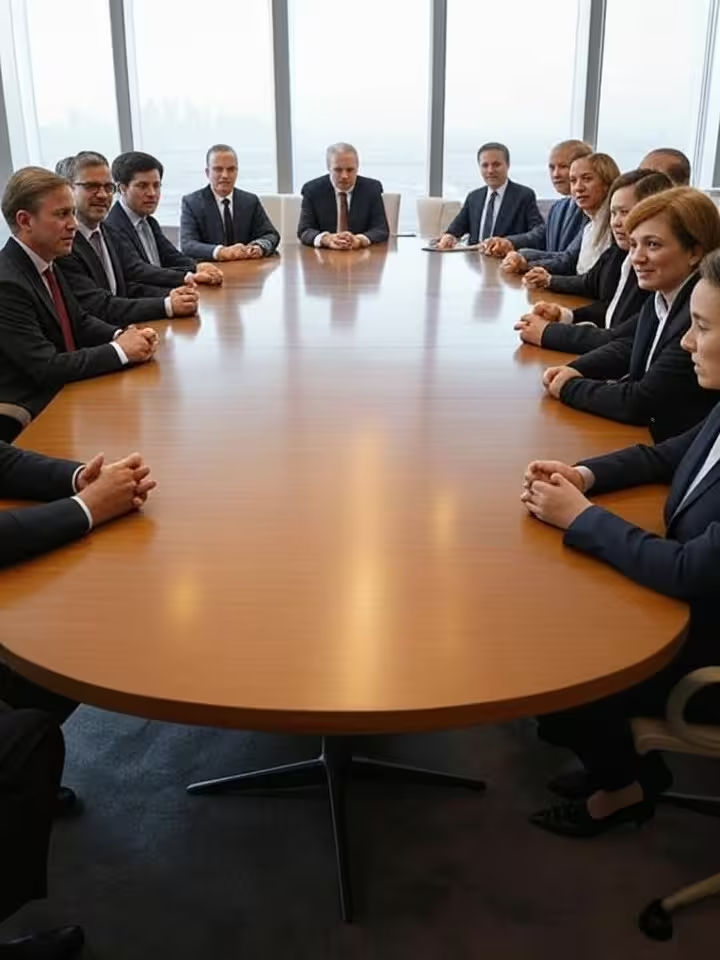
L'obiettivo originario era semplice: prevenire un'altra guerra mondiale promuovendo la comprensione tra Europa e Nord America durante le prime tensioni della Guerra Fredda. Secondo documenti ufficiali del Bilderberg, Le prime discussioni si sono concentrate sulla cooperazione economica, sulle alleanze militari e sulla resistenza ideologica all'espansione sovietica.
L'evoluzione attraverso i momenti critici
L'incontro di Saltsjöbaden del 1973 affrontò la crisi petrolifera mentre l'embargo dell'OPEC mandava scosse alle economie occidentali. L'incontro di Baden-Baden del 1991 si è svolto mesi dopo la caduta del Muro di Berlino e i partecipanti hanno discusso dell'integrazione europea post-Guerra Fredda.
Nel 2008, quando il Bilderberg si è riunito a Chantilly, in Virginia, le discussioni si sono ampliate fino a includere la stabilità finanziaria, pochi mesi prima che il sistema finanziario globale arrivasse quasi al collasso. Anche se nessuna prova indica che il Bilderberg abbia previsto o causato questi eventi, gli argomenti dimostrano che il gruppo si concentra sulle sfide emergenti piuttosto che su quelle storiche.
Trasparenza e segretezza
Per decenni, il Bilderberg ha operato in quasi totale segretezza, alimentando le teorie cospirative. Dal 2010, il comitato direttivo ha iniziato a pubblicare online gli elenchi dei partecipanti e gli ordini del giorno: un cambiamento significativo verso la trasparenza, pur mantenendo la regola di Chatham House che protegge le dichiarazioni individuali.
Questo equilibrio definisce il Bilderberg moderno: pubblico su chi partecipa e su cosa viene discusso, privato su chi ha detto cosa. L'incontro di Lisbona del 2023 ha continuato questo approccio, con una documentazione completa disponibile sul sito web ufficiale.
L'elenco dei partecipanti del 2023: Potere, competenza e influenza
I 130 partecipanti al Bilderberg 2023 rappresentano un mix deliberato di settori e prospettive. Secondo l'elenco ufficiale, circa un terzo proveniva dalla politica e dal governo, un terzo dall'industria e dalla finanza e il resto dal mondo accademico, dai media e dalla società civile.
Leadership politica
Segretario Generale della NATO Jens Stoltenberg ha partecipato alla mobilitazione più significativa dell'alleanza dai tempi della Guerra Fredda. La sua presenza accanto a Roberta Metsola (Presidente del Parlamento europeo) e Mark Rutte (Primo Ministro olandese) ha sottolineato le preoccupazioni per l'unità europea.
La rappresentanza degli Stati Uniti comprendeva Avril Haines (Direttore dell'Intelligence Nazionale) e Jake Sullivan (Consigliere per la sicurezza nazionale), entrambi centrali per la politica estera americana in un periodo di forti tensioni geopolitiche.
Leader nel settore della tecnologia e dell'intelligenza artificiale
La presenza del settore tecnologico è stata notevole. Sam Altman (CEO di OpenAI) ha partecipato pochi mesi dopo il lancio virale di ChatGPT. Demis Hassabis (CEO di DeepMind) e Eric Schmidt (ex CEO di Google) ha apportato una profonda competenza in materia di intelligenza artificiale, il primo argomento in agenda.
Peter Thiel, cofondatore di PayPal e presidente di Palantir, ha rappresentato l'intersezione tra tecnologia, difesa e capitale di rischio. La sua presenza è stata collegata alle discussioni sulla politica industriale e sul commercio.
Affari e finanza
Albert Bourla (CEO di Pfizer) ha partecipato ai dibattiti sulla risposta alla pandemia e sulla politica farmaceutica. Jose Manuel Barroso (presidente di Goldman Sachs International ed ex presidente della Commissione europea) ha creato un ponte tra le prospettive politiche e quelle finanziarie.
Banchieri centrali inclusi François Villeroy de Galhau (governatore della Banca di Francia), rilevante per le discussioni sulla stabilità del sistema bancario dopo il crollo della Silicon Valley Bank del marzo 2023.
Voci accademiche e dei media
Storico Niall Ferguson e giornalisti dell'Economist e di importanti testate europee hanno fornito prospettive analitiche. Rappresentanti di think tank della Brookings Institution e dell'Atlantic Council hanno contribuito con la loro esperienza politica.
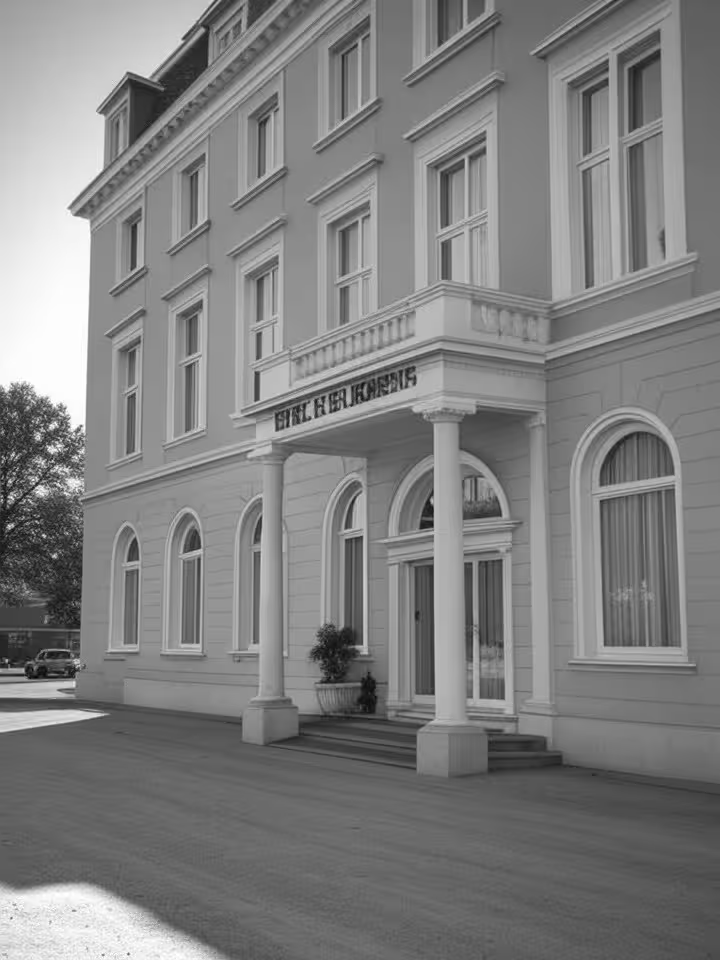
L'incontro si è svolto al Pestana Palace Hotel di Lisbona, una struttura di lusso con un ampio parco che garantisce sicurezza e privacy. I media hanno notato una forte presenza di polizia, ma non sono trapelati dettagli interni, a testimonianza dell'impegno dei partecipanti alla riservatezza.
I 13 argomenti: Cosa hanno discusso le élite globali
L'ordine del giorno ufficiale elencava 13 argomenti, ciascuno scelto dal comitato direttivo per riflettere le sfide globali immediate. A differenza dei vertici delle Nazioni Unite o delle riunioni del G7, il Bilderberg non negozia trattati o rilascia comunicati, ma facilita una conversazione franca.
1. Intelligenza artificiale
L'IA è stata per la prima volta in cima all'ordine del giorno, a testimonianza del lancio e della rapida adozione di ChatGPT nel novembre 2022. Con la presenza di Altman, Hassabis e Schmidt, le discussioni hanno probabilmente riguardato la sicurezza dell'IA, la regolamentazione, le perturbazioni economiche e le dinamiche competitive tra lo sviluppo occidentale e quello cinese.
Poche settimane dopo l'incontro, Altman ha testimoniato davanti al Senato degli Stati Uniti sulla regolamentazione dell'IA, potenzialmente informata dalle conversazioni di Lisbona. Anche i negoziati per la legge sull'IA dell'UE hanno subito un'accelerazione a metà del 2023.
2. Sistema bancario
Il crollo della Silicon Valley Bank nel marzo 2023, seguito dall'acquisizione d'emergenza da parte del Credit Suisse, ha reso urgente la stabilità bancaria. I banchieri centrali e i leader del settore finanziario hanno presumibilmente discusso dei rischi di contagio, delle risposte normative e del rapporto tra aumento dei tassi di interesse e fragilità finanziaria.
3-4. Cina e India
Questi argomenti abbinati riflettono lo spostamento del potere globale. Le discussioni sulla Cina hanno probabilmente riguardato il disaccoppiamento economico, le tensioni a Taiwan e la competizione tecnologica. L'inclusione dell'India ha riconosciuto la sua crescente influenza sia come contrappeso democratico alla Cina sia come grande economia in competizione con le grandi potenze.
5. Transizione energetica
La crisi energetica europea, innescata dalla riduzione delle forniture di gas russo, ha reso questo tema particolarmente rilevante. Le discussioni hanno riguardato presumibilmente l'accelerazione rinnovabile, l'energia nucleare, la sicurezza della catena di approvvigionamento e il bilanciamento degli obiettivi climatici con l'indipendenza energetica.
6. L'Europa
Un tema a sé stante suggerisce una profonda preoccupazione per la coesione europea. Probabilmente hanno dominato gli effetti della Brexit, i movimenti populisti, la divergenza economica tra nord e sud e l'unità contro la Russia.
7. Sfide fiscali
I livelli di debito post-pandemia, l'inflazione e l'impatto dei tassi di interesse hanno creato pressioni fiscali in tutte le economie sviluppate. Con il rischio di recessione in aumento, i partecipanti hanno probabilmente discusso su austerità e stimoli, sostenibilità del debito e stabilità sociale.
8. Politica industriale e commercio
La legge statunitense CHIPS, la strategia industriale dell'UE e i dibattiti sulla globalizzazione rispetto al reshoring hanno reso questo tema di recente attualità. Le vulnerabilità della catena di approvvigionamento messe in luce dal COVID e le tensioni geopolitiche hanno alimentato le discussioni sull'autonomia strategica.
9-11. NATO, Russia e Ucraina
Questi temi interconnessi hanno dominato la discussione geopolitica. La presenza di Stoltenberg ha facilitato le conversazioni sull'espansione della NATO (la Finlandia ha appena aderito), sulla sostenibilità degli aiuti militari, sull'efficacia delle sanzioni e sugli scenari di risoluzione o escalation dei conflitti.
Il Vertice NATO di Vilnius del luglio 2023, che si è svolto poche settimane dopo il Bilderberg, ha annunciato un maggiore sostegno all'Ucraina, suggerendo che le discussioni di Lisbona hanno influenzato il posizionamento dell'alleanza.
12. Minacce transnazionali
Questa ampia categoria comprendeva probabilmente la guerra informatica, il terrorismo, le pandemie e il cambiamento climatico, questioni che richiedono una cooperazione internazionale nonostante la frammentazione geopolitica.
13. Leadership statunitense
Le questioni relative alla leadership globale americana - in mezzo alla polarizzazione interna e all'evoluzione delle priorità - meritavano una discussione dedicata. I partecipanti hanno presumibilmente discusso sull'affidabilità degli Stati Uniti come garanti della sicurezza e sulle implicazioni dei potenziali cambiamenti politici.
Copertura da parte di Il Guardian ha preso atto della rilevanza dell'ordine del giorno senza rivelarne i dettagli, nel rispetto della regola di Chatham House. Teorie del complotto circolato online, ma non sono emerse fughe di notizie credibili.
Sviluppi successivi alla riunione: Correlazione o influenza?
Il Bilderberg non produce risultati formali, ma gli eventi successivi suggeriscono che le discussioni hanno influenzato il pensiero. La sfida consiste nel distinguere la correlazione dalla causalità: molti partecipanti avrebbero intrapreso azioni simili a prescindere.
Momento di regolamentazione dell'IA
Nella sua testimonianza al Senato del maggio 2023, Altman si è espresso a favore di una regolamentazione dell'IA, posizione potenzialmente rafforzata dalle conversazioni del Bilderberg. L'UE ha accelerato i negoziati per la legge sull'IA e i leader del G7 hanno annunciato il Processo di Hiroshima sull'IA nel maggio 2023, stabilendo principi per uno sviluppo responsabile dell'IA.
Continuità del sostegno all'Ucraina
Il Vertice NATO di Vilnius del luglio 2023 ha riaffermato il sostegno a lungo termine all'Ucraina e ha creato il Consiglio NATO-Ucraina. I Paesi del G7 hanno annunciato impegni in materia di sicurezza. Pur riflettendo le politiche esistenti, il Bilderberg ha fornito uno spazio per un coordinamento informale tra i principali responsabili delle decisioni.
Coordinamento delle politiche economiche
Le banche centrali hanno continuato ad adottare approcci coordinati all'inflazione, con messaggi simili sui percorsi dei tassi di interesse. I rapporti del FMI del giugno 2023 sottolineano la sostenibilità fiscale, riecheggiando le presunte discussioni del Bilderberg.
Cosa non possiamo rivendicare
Nessuna prova supporta le affermazioni secondo cui il Bilderberg “decide” le politiche. L'incontro facilita il dialogo; l'attuazione avviene attraverso processi governativi e istituzionali legittimi. I partecipanti partecipano come individui, non come rappresentanti di organizzazioni, e non possono vincolare le loro istituzioni.
Alcune speculazioni sui social media sostengono che il Bilderberg abbia pianificato esiti specifici, ma questi rimangono non verificati e non coerenti con il funzionamento delle riunioni.
Domande frequenti
D: Chi decide quali argomenti vengono discussi alle riunioni del Bilderberg?
R: Il comitato direttivo, composto da circa 18 membri tra cui ex politici, dirigenti d'azienda e accademici, seleziona gli argomenti in base alle sfide globali attuali. I membri del comitato sondano i potenziali partecipanti e analizzano gli sviluppi internazionali per identificare le questioni più urgenti che richiedono un dialogo informale.
D: Perché si usa la Regola di Chatham House invece della piena trasparenza?
R: La Regola di Chatham House consente ai partecipanti di condividere le informazioni discusse, ma non di attribuire dichiarazioni a singoli individui. Ciò incoraggia scambi franchi senza timore di conseguenze politiche o professionali. I partecipanti possono esprimere pensieri in evoluzione piuttosto che difendere posizioni predeterminate, facilitando un dialogo genuino impossibile in contesti pubblici.
D: Come vengono selezionati i partecipanti alle riunioni del Bilderberg?
R: Il comitato direttivo invita i partecipanti in base alle competenze, alla posizione e al potenziale contributo alle discussioni. Circa due terzi sono partecipanti che ritornano, mentre un terzo è la prima volta che partecipano, in modo da garantire la continuità e introdurre nuove prospettive. Gli inviti sono personali, non organizzativi, anche se i ruoli istituzionali dei partecipanti influenzano la selezione.
D: Le riunioni del Bilderberg violano i principi democratici?
R: I critici sostengono che le riunioni private delle élite non sono responsabili. I sostenitori ribattono che il dialogo informale integra e non sostituisce i processi democratici. I partecipanti non possono prendere decisioni vincolanti: tornano alle istituzioni democratiche dove le politiche vengono effettivamente determinate. Gli incontri offrono uno spazio per comprendere le diverse prospettive prima dei negoziati formali.
D: L'influenza del Bilderberg è aumentata o diminuita nel tempo?
R: L'influenza è difficile da misurare oggettivamente. La rilevanza del gruppo probabilmente fluttua con le circostanze globali. Nei periodi di cooperazione internazionale, il dialogo informale può facilitare il coordinamento. Durante la frammentazione, i centri di potere in competizione possono ridurre la centralità del Bilderberg. L'attenzione dell'incontro del 2023 alla divisione geopolitica suggerisce che i partecipanti riconoscono i limiti del consenso transatlantico.
Punti di forza
- Diversità rappresentativa: I 130 partecipanti provenienti da 23 Paesi hanno rappresentato la leadership politica, l'innovazione tecnologica, l'esperienza finanziaria e le prospettive analitiche necessarie per una discussione completa delle sfide globali interconnesse.
- L'intelligenza artificiale come priorità: L'intelligenza artificiale è stata per la prima volta in cima all'ordine del giorno, riflettendo il rapido progresso della tecnologia e le sue implicazioni sociali. Lo slancio normativo successivo alla riunione suggerisce che le discussioni hanno influenzato il successivo sviluppo delle politiche.
- Focus geopolitico: Ucraina, Russia, NATO e Cina hanno dominato le discussioni, riconoscendo il passaggio fondamentale dalla cooperazione post-Guerra Fredda alla rinnovata competizione tra grandi potenze e le sue implicazioni per l'alleanza transatlantica.
- Fragilità economica: La stabilità del sistema bancario e le sfide fiscali riflettevano le preoccupazioni sulle vulnerabilità economiche post-pandemia, in particolare la tensione tra la lotta all'inflazione e il mantenimento dell'integrità del sistema finanziario.
- Influenza informale: Pur non producendo risultati formali, il Bilderberg facilita la creazione di consenso tra le élite che successivamente attuano le politiche attraverso istituzioni legittime. Il valore dell'incontro risiede nella conversazione, non nel processo decisionale.
- Maggiore trasparenza: La pubblicazione degli elenchi dei partecipanti e degli ordini del giorno rappresenta un'evoluzione significativa rispetto alla segretezza storica, sebbene la protezione delle dichiarazioni individuali prevista dalla Chatham House Rule rimanga centrale per la funzione della riunione.
- Continuità storica: L'incontro di Lisbona del 2023 continuerà 69 anni di dialogo transatlantico, adattando il forum dell'era della Guerra Fredda per affrontare le sfide contemporanee, mantenendo la missione principale di prevenire i conflitti attraverso la comprensione.
Fonti
- Sito ufficiale delle Riunioni Bilderberg - Elenco dei partecipanti al 2023: bilderbergmeetings.org
- Comunicato stampa ufficiale del Bilderberg 2023: bilderbergmeetings.org
- The Guardian - “Il gruppo Bilderberg si riunisce a Lisbona tra teorie cospirative”: theguardian.com
- Politico UE - Copertura del Gruppo Bilderberg Lisbona 2023
- Comunicato del Vertice NATO di Vilnius, luglio 2023
- BBC News - Contesto storico delle riunioni del Bilderberg