
Bill Clinton participou da Reunião de Bilderberg de 1991 em Baden-Baden, Alemanha, poucos meses antes de lançar sua bem-sucedida campanha presidencial. Essa presença comprovada representa um momento crucial em que a política do estado do Arkansas se cruzou com a rede de elite internacional.
- Clinton participou do Bilderberg como governador do Arkansas de 6 a 9 de junho de 1991, em Baden-Baden, Alemanha (confirmado oficialmente)
- Ele anunciou sua candidatura presidencial quatro meses depois, vencendo a eleição de 1992
- Nenhum registro oficial mostra que Clinton participou de qualquer reunião do Bilderberg depois de 1991
- A reunião incluiu discussões sobre a Guerra do Golfo, a integração europeia e os desenvolvimentos da União Soviética
- Sua participação exemplifica como os fóruns globais oferecem oportunidades de networking para líderes políticos emergentes
- As listas oficiais de participantes e as agendas agora estão publicadas no site bilderbergmeetings.org
- Qualquer alegação além do comparecimento verificado em 1991 carece de evidência documental
Introdução: Quando a política do Arkansas encontrou os círculos de poder global
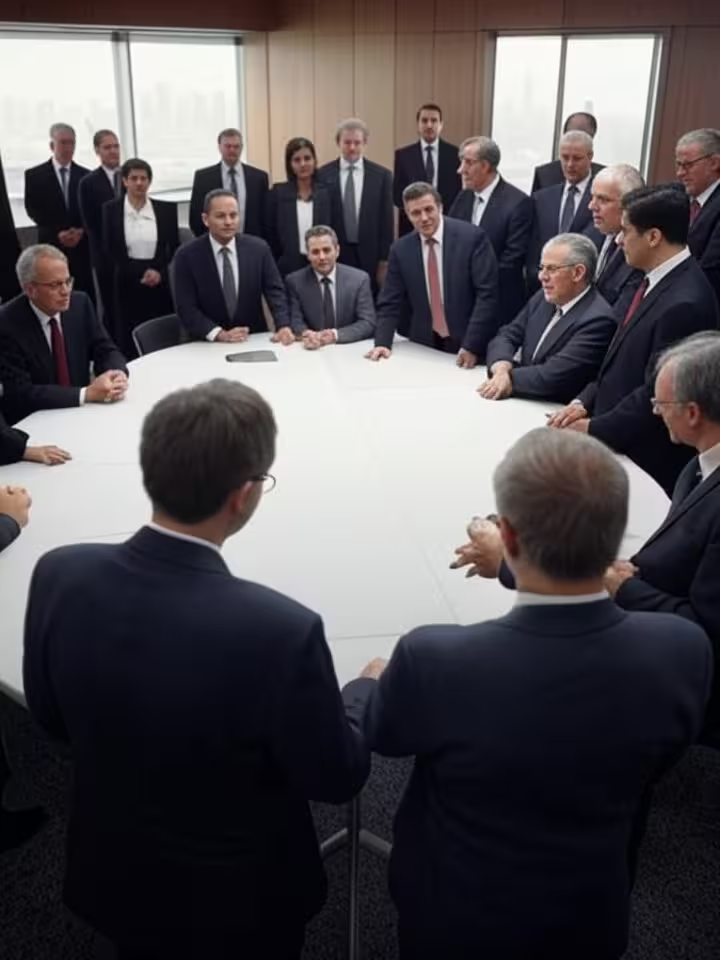
Em junho de 1991, um governador do Arkansas relativamente desconhecido entrou em um hotel alemão onde estavam reunidas algumas das figuras mais influentes do mundo. A presença de Bill Clinton na 39ª Reunião de Bilderberg, em Baden-Baden, se tornaria um dos episódios mais examinados de sua biografia política.
O momento foi extraordinário. Apenas quatro meses após essa reunião exclusiva, Clinton anunciaria sua candidatura à presidência dos Estados Unidos. Dezesseis meses depois, ele ocuparia o Salão Oval.
Este artigo examina os fatos verificados que envolvem a conexão de Clinton com o Bilderberg, separando as evidências documentadas das especulações. Você aprenderá sobre o contexto histórico da reunião de 1991, o que sabemos a partir dos registros oficiais, a trajetória política de Clinton antes e depois do evento e por que essa interseção entre política estadual e redes internacionais continua relevante para a compreensão da liderança política americana.
É importante entender essa conexão porque ela ilustra como os fóruns globais influenciam as trajetórias políticas nos sistemas democráticos - não por meio de conspiração, mas por meio da realidade mais mundana de redes, troca de ideias e construção de credenciais que moldam a política moderna.
O contexto de Bilderberg: O que estava acontecendo em 1991
As Reuniões de Bilderberg começaram em 1954 no Hotel de Bilderberg em Oosterbeek, Holanda. O conselheiro político polonês Jozef Retinger e o príncipe holandês Bernhard iniciaram essas reuniões para lidar com o sentimento antiamericano na Europa Ocidental durante o auge da Guerra Fria.
Em 1991, o Bilderberg havia se transformado em uma conferência anual estabelecida que reunia de 120 a 150 figuras influentes da América do Norte e da Europa. As reuniões funcionam sob a Regra de Chatham House-Os participantes podem usar as informações recebidas, mas não podem revelar a identidade ou a afiliação dos palestrantes.
A 39ª reunião foi realizada em Baden-Baden, Alemanha, de 6 a 9 de junho de 1991. De acordo com os registros oficiais, a agenda incluiu:
- A situação política na União Soviética (meses antes de seu colapso em dezembro)
- Desenvolvimentos na Iugoslávia (com o aumento das tensões étnicas)
- Consequências da Guerra do Golfo e estabilidade no Oriente Médio
- Integração europeia e as negociações do Tratado de Maastricht
- Relações comerciais internacionais e reformas econômicas na Europa Oriental
Esse foi um momento crucial na história mundial. A Guerra Fria estava terminando, a União Soviética estava se desintegrando e uma nova ordem mundial estava surgindo. Para um ambicioso político americano com aspirações presidenciais, compreender essas mudanças tectônicas seria de grande valia.
A lista oficial de participantes incluía pesos pesados do setor financeiro, como David Rockefeller, o ex-presidente do Federal Reserve, Paul Volcker, e o presidente da Comissão Europeia, Jacques Delors. Entre essa ilustre companhia aparecia: “Clinton, William J. (EUA), governador do Arkansas.”
O caminho de Clinton para Baden-Baden: Os anos pré-presidenciais
William Jefferson Clinton nasceu em 19 de agosto de 1946, em Hope, Arkansas. Depois de se formar na Faculdade de Direito de Yale em 1973, ele rapidamente entrou para a política do Arkansas, atuando como Procurador-Geral de 1977 a 1979.
Clinton tornou-se governador do Arkansas pela primeira vez em 1979, aos 32 anos, tornando-se o governador mais jovem do país desde 1938. Seu primeiro mandato terminou com uma derrota em 1980, em grande parte devido a políticas impopulares, incluindo aumentos nas taxas de licenciamento de automóveis e a gestão de tumultos de refugiados cubanos em Fort Chaffee.
Ele recuperou o cargo de governador em 1982 e o manteve continuamente até 1992. Durante esses anos, Clinton construiu uma reputação como um “Novo Democrata” - moderado do ponto de vista fiscal, progressista do ponto de vista social e focado na reforma educacional e no desenvolvimento econômico.
Em 1991, Clinton havia implementado reformas significativas no bem-estar social no Arkansas e ganhou atenção nacional por meio de seu trabalho com o Democratic Leadership Council, uma organização centrista que tentava afastar o partido de sua imagem liberal da era McGovern.
Seu convite para o Bilderberg veio em um momento crítico. Clinton estava considerando seriamente uma candidatura presidencial, mas permanecia relativamente desconhecido no cenário nacional e internacional. A reunião ofereceu exposição a perspectivas globais e oportunidades de networking com figuras influentes que moldaram a política transatlântica.
Como O Comitê de Direção do Bilderberg tipicamente convida figuras políticas emergentes ao lado de líderes estabelecidos, a presença de Clinton sugeriu que ele estava sendo avaliado como um futuro líder americano em potencial.
A reunião de 1991: O que sabemos
A documentação oficial confirma a presença de Clinton em Baden-Baden. A lista de participantes publicada no site bilderbergmeetings.org o nomeia explicitamente como governador do Arkansas.
O próprio Clinton fez referência à experiência, embora com moderação. Em seu livro de memórias “My Life”, de 2004, ele menciona brevemente a viagem como uma experiência esclarecedora sobre a política europeia, descrevendo conversas sobre modelos econômicos e cooperação internacional.
Um artigo do New York Times de 1992 destacou a participação de Clinton em fóruns globais como parte das credenciais de sua campanha presidencial, mencionando especificamente sua presença em conferências internacionais, incluindo a Bilderberg.
De quais discussões Clinton participou? De acordo com a Regra de Chatham House, atribuições específicas não podem ser confirmadas. Entretanto, a agenda publicada mostra os tópicos abordados e, considerando suas posições políticas subsequentes, podemos inferir razoavelmente as áreas de interesse:
- Modelos de integração europeia que poderiam informar a política comercial norte-americana (o NAFTA seria ratificado durante sua presidência)
- Acordos de segurança pós-Guerra Fria (mais tarde ele supervisionaria a expansão da OTAN)
- Estratégias de globalização econômica (seu governo defenderia as negociações da OMC)
Quatro meses depois de Baden-Baden, em 3 de outubro de 1991, Clinton anunciou sua candidatura à presidência. Sua campanha enfatizou a recuperação econômica, a reforma do sistema de saúde e uma nova geração de liderança - temas que repercutiram em um país cansado da política da era da Guerra Fria.
Clinton venceu a indicação democrata em 1992 e derrotou o atual presidente George H.W. Bush nas eleições gerais, obtendo 370 votos eleitorais e 43% do voto popular em uma disputa tripla com Bush e Ross Perot.
O comparecimento ao Bilderberg causou o sucesso eleitoral de Clinton? Não há evidências diretas que sustentem essa causa. No entanto, a reunião proporcionou oportunidades de networking, credibilidade internacional e exposição às tendências econômicas globais que o distinguiram de outros candidatos.
Compreensão como as teorias da conspiração distorcem essas conexões é importante para uma análise histórica precisa.
Anos presidenciais e além: Não participará mais do Bilderberg
Os registros oficiais do Bilderberg não mostram nenhuma participação de Clinton após 1991. Esse é um fato importante, muitas vezes obscurecido por especulações e afirmações não verificadas.
Durante sua presidência (1993-2001), Clinton adotou políticas que se alinhavam com os temas discutidos nas reuniões de Bilderberg:
- Ratificação do NAFTA em 1993
- Negociações da OMC e apoio à liberalização do comércio global
- Expansão da OTAN para os antigos países do Pacto de Varsóvia
- Apoio à integração europeia e ao euro
- Intervenção nos conflitos dos Bálcãs (a Iugoslávia foi um tópico de Bilderberg em 1991)
Embora essas orientações políticas fossem paralelas às discussões em Bilderberg, elas também refletiam as principais posições democratas centristas e as realidades geopolíticas da era pós-Guerra Fria. Traçar linhas diretas entre as conversas de 1991 e decisões presidenciais específicas requer evidências que não existem nos registros públicos.
Vários funcionários do governo Clinton participaram das reuniões de Bilderberg durante sua presidência, incluindo o secretário do Tesouro Robert Rubin (1995) e vários assessores, mas o próprio presidente não retornou à conferência.
Após deixar o cargo em janeiro de 2001, Clinton criou a Clinton Foundation, com foco em saúde global, mudanças climáticas e desenvolvimento econômico. Embora seu trabalho pós-presidencial o tenha colocado em contato com muitas pessoas que participam dos círculos de Bilderberg, nenhuma evidência verificada mostra sua participação em qualquer reunião posterior.
Um artigo do Politico de 2008 mencionou relatos não confirmados de Clinton próximo ao local do Bilderberg em Chantilly, Virgínia, mas a lista oficial de participantes daquele ano não o inclui. Essas alegações não verificadas ressaltam a importância de se basear em provas documentais.
Hillary Clinton, por outro lado, participou de reuniões do Bilderberg em 1997 (como primeira-dama) e 2006 (como senadora de Nova York), ambas as presenças confirmadas oficialmente.
O padrão mais amplo: Líderes políticos e fóruns globais
A participação de Clinton no Bilderberg em 1991 se encaixa em um padrão mais amplo de figuras políticas americanas que se envolvem com redes de elite internacionais antes de chegar aos níveis mais altos de poder.
Outros exemplos incluem:
- Gerald Ford participou do Bilderberg em 1964 e 1966 antes de se tornar presidente em 1974
- Henry Kissinger tem participado com frequência desde a década de 1950, tornando-se posteriormente Secretário de Estado
- Jimmy Carter era membro da Comissão Trilateral antes de sua campanha presidencial de 1976
- Barack Obama fez um discurso de alto nível para o Conselho de Relações Exteriores durante sua campanha de 2008
Esses fóruns têm várias funções na política americana:
Credenciamento: A participação indica que uma figura política foi avaliada por redes internacionais influentes e é considerada um ator sério no cenário global.
Educação: Os líderes emergentes ganham exposição a perspectivas internacionais, tendências econômicas e debates sobre política externa que informam sua visão de mundo e posições políticas.
Trabalho em rede: Os relacionamentos formados nessas reuniões podem facilitar a cooperação futura, a captação de recursos e a implementação de políticas.
Sinalização: Para as elites européias e corporativas, convidar um político americano sinaliza sua avaliação da trajetória em potencial dessa pessoa e sua aceitação pelos parceiros internacionais.
Nada disso requer conspiração. Como Figuras do Bilderberg como David Rockefeller Segundo os especialistas, essas reuniões facilitam o diálogo informal que complementa os canais diplomáticos e comerciais formais.
A questão não é se esses fóruns influenciam a política - é claro que influenciam - mas se essa influência opera por meio de conspiração ou por meio de mecanismos mais mundanos de redes de elite que caracterizam a governança moderna.
Separando fatos de especulações
A conexão de Clinton com o Bilderberg gerou especulações consideráveis, muitas das quais não são sustentadas por evidências. Vamos esclarecer o que sabemos e o que não sabemos:
Fatos verificados:
- Clinton participou da Reunião de Bilderberg de 6 a 9 de junho de 1991, em Baden-Baden, Alemanha (lista oficial de participantes)
- Ele anunciou sua candidatura presidencial quatro meses depois (3 de outubro de 1991)
- Ele ganhou a presidência em novembro de 1992
- Nenhum registro oficial mostra a participação de mais pessoas no Bilderberg
- Vários funcionários do governo Clinton participaram durante sua presidência
- Clinton mencionou brevemente a experiência em seu livro de memórias
Alegações não verificadas:
- Que Bilderberg “selecionou” Clinton para ser presidente (sem evidências)
- Que decisões políticas específicas foram ditadas na reunião de 1991 (contradiz a forma como as reuniões funcionam)
- O fato de Clinton ter participado de reuniões do Bilderberg depois de 1991 sem divulgação (contradito por listas oficiais)
- Que sua campanha presidencial foi “controlada” por participantes do Bilderberg (sem suporte documental)
Os fatos documentados são suficientemente significativos sem enfeites. Um governador do Arkansas com ambições presidenciais participou de uma reunião internacional de prestígio, conheceu perspectivas globais, estabeleceu contatos com figuras influentes e, posteriormente, ganhou a presidência. Isso reflete como a política americana se cruza com as redes internacionais - uma realidade que vale a pena entender sem recorrer a afirmações sem fundamento.
Perguntas frequentes
P: Bill Clinton participou da Reunião de Bilderberg antes de se tornar presidente?
R: Sim, Clinton participou da Reunião de Bilderberg uma vez como governador do Arkansas, de 6 a 9 de junho de 1991, em Baden-Baden, Alemanha. Isso é confirmado pelas listas oficiais de participantes publicadas no site bilderbergmeetings.org. Ele anunciou sua candidatura presidencial quatro meses depois e venceu a eleição em novembro de 1992.
P: Clinton tem participado das reuniões do Bilderberg desde 1991?
R: Nenhum registro oficial mostra Clinton participando de qualquer reunião do Bilderberg após 1991. Embora relatos não verificados apareçam ocasionalmente, as listas oficiais de participantes publicadas para as reuniões subsequentes não incluem seu nome. Hillary Clinton compareceu em 1997 e 2006, mas a única participação documentada de Bill Clinton continua sendo a reunião de 1991.
P: O que foi discutido na reunião de Bilderberg de 1991 da qual Clinton participou?
R: De acordo com a agenda publicada, os tópicos incluíam a situação política na União Soviética, os acontecimentos na Iugoslávia, as consequências da Guerra do Golfo, a integração europeia e as relações comerciais internacionais. As atribuições específicas a participantes individuais não são divulgadas devido à Regra de Chatham House, que rege essas reuniões.
P: O comparecimento ao Bilderberg ajudou Clinton a se tornar presidente?
R: Embora não seja possível estabelecer uma causa direta, a reunião proporcionou oportunidades de networking, credibilidade internacional e exposição às tendências econômicas globais. Muitas figuras políticas americanas participaram de fóruns semelhantes antes de chegarem a altos cargos. A participação em 1991 foi um fator entre muitos outros na ascensão política de Clinton, incluindo seu histórico como governador, habilidades de comunicação e estratégia de campanha.
P: As reuniões do Bilderberg são secretas?
R: As reuniões do Bilderberg são privadas, não secretas. Desde os anos 2000, a organização publica listas de participantes e agendas gerais em seu site oficial após cada reunião. Não é permitida a entrada da mídia e as discussões seguem a Regra de Chatham House (as informações podem ser usadas, mas não atribuídas a oradores específicos). Essa abordagem tem o objetivo de facilitar o diálogo franco, embora tenha gerado escrutínio público e preocupações com a transparência.
Principais conclusões
- A única participação comprovada de Bill Clinton no Bilderberg ocorreu em junho de 1991, em Baden-Baden, Alemanha, quando ele era governador do Arkansas, quatro meses antes de anunciar sua candidatura presidencial.
- As listas oficiais de participantes e as agendas publicadas confirmam sua presença, mas não fornecem nenhuma evidência de participação em qualquer reunião subsequente do Bilderberg até 2024.
- A reunião de 1991 abordou tópicos históricos fundamentais, incluindo o desenvolvimento da União Soviética, a integração europeia, as consequências da Guerra do Golfo e o comércio internacional - todos relevantes para a presidência posterior de Clinton.
- A participação de Clinton se enquadra em um padrão de figuras políticas americanas que se envolvem em fóruns internacionais de elite antes de chegar a altos cargos, incluindo Gerald Ford e Jimmy Carter em outras organizações.
- Embora a reunião tenha proporcionado oportunidades de networking e exposição internacional, nenhuma evidência documental corrobora as alegações de que Bilderberg “selecionou” Clinton ou controlou suas políticas - isso permanece no campo da especulação não verificada.
- Para entender a conexão de Clinton com o Bilderberg, é necessário distinguir os fatos verificados das narrativas de conspiração, concentrando-se na realidade mundana da rede de elite e não na coordenação secreta.
- Os esforços de transparência do Bilderberg desde os anos 2000, incluindo a publicação das listas de participantes, fornecem uma base factual para analisar essas conexões sem recorrer a especulações ou detalhes inventados.
Fontes e leituras adicionais
- The New York Times (1992) - “Clinton's Global Engagements” - (Compromissos globais de Clinton) Cobertura das atividades internacionais de Clinton durante a campanha presidencial
- BBC News (1992) - “Bill Clinton's Rise” - Cobertura histórica da trajetória de Clinton até a presidência
- The Guardian (2016) - “Bilderberg and Politics” - Análise da influência do grupo nas carreiras políticas
- Politico (2008) - Relatórios sobre reuniões do Bilderberg e avistamentos não verificados de Clinton
- Clinton, Bill (2004) - “My Life” - Memórias com breves referências à experiência com o Bilderberg em 1991
- Pesquisa acadêmica sobre redes de elite na política americana de instituições como a Harvard Kennedy School e a Georgetown University
- Relatórios do Serviço de Pesquisa do Congresso sobre fóruns de políticas internacionais e participação política americana