I 30-40 figure influenti che decidono chi viene invitato all'incontro annuale più esclusivo del mondo – e di cosa discuteranno a porte chiuse
Il Comitato direttivo organizza le riunioni annuali del Bilderberg, selezionando 120-150 partecipanti e argomenti di discussione dal 1954.
L'attuale presidente Victor Halberstadt guida 30-40 membri provenienti dal mondo degli affari, della politica, del mondo accademico e dei media in Europa e Nord America.
I membri sono in carica solo su invito, spesso per decenni, senza un processo di candidatura pubblica o uno statuto formale.
Il comitato applica una stretta riservatezza secondo le regole di Chatham House per consentire un dialogo franco tra i leader mondiali.
I critici mettono in dubbio la trasparenza e l'influenza delle élite, mentre i sostenitori la considerano essenziale per la cooperazione transatlantica.
Le agende recenti hanno affrontato la governance dell'IA, le transizioni energetiche e le tensioni geopolitiche.
I membri si collegano a reti più ampie come il World Economic Forum e la Commissione Trilaterale.
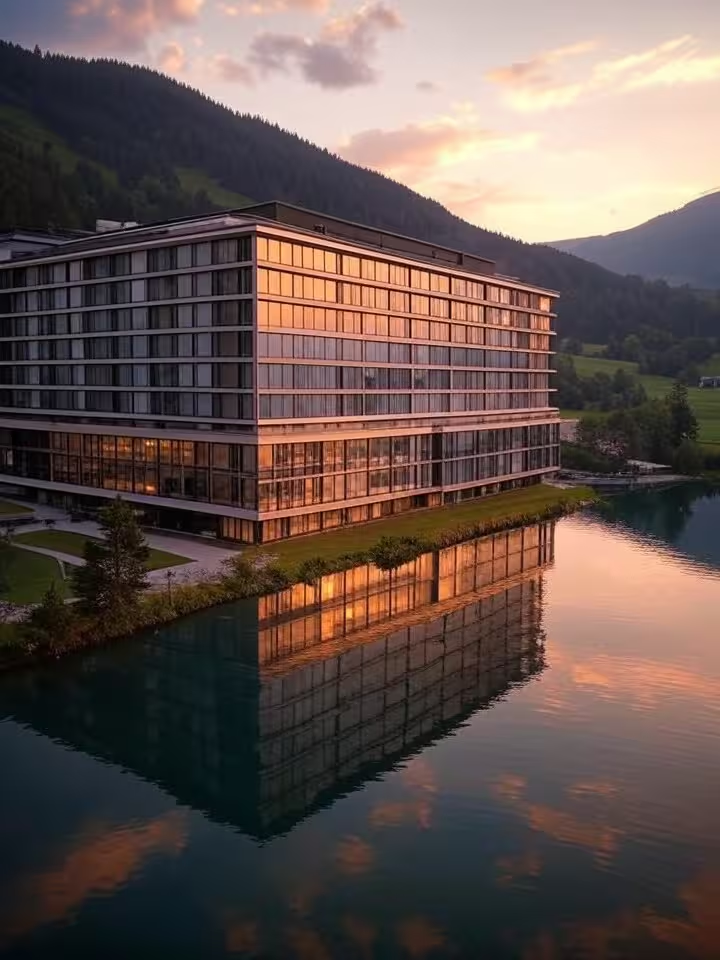
Ogni primavera, circa 120-150 delle persone più influenti al mondo si riuniscono in un hotel di lusso per tre giorni di discussioni a porte chiuse. Non vengono presi verbali, non vengono rilasciate dichiarazioni politiche e i media sono esclusi. Questo è il Bilderberg Meeting – e dietro ad esso si trova un organo poco conosciuto che decide chi siede a quei tavoli e di cosa si discute: il Comitato Direttivo.
Comprensione Come opera il Bilderberg richiede l'esame di questo organo direttivo. Istituito in concomitanza con la prima conferenza nel 1954, il Comitato direttivo comprende 30-40 personalità influenti che si riuniscono più volte all'anno per pianificare l'evento che da quasi sette decenni facilita il dialogo informale sulle questioni globali.
In questo articolo, imparerai:
Le origini storiche e l'evoluzione del Comitato direttivo dal 1954
Chi fa parte del comitato e come vengono selezionati i membri
Le responsabilità organizzative specifiche e l’influenza del comitato
Perché i critici mettono in dubbio la sua trasparenza e cosa dicono i sostenitori in risposta
Come il comitato si collega a reti internazionali più ampie
Origini storiche: Dalle preoccupazioni della guerra fredda al forum globale
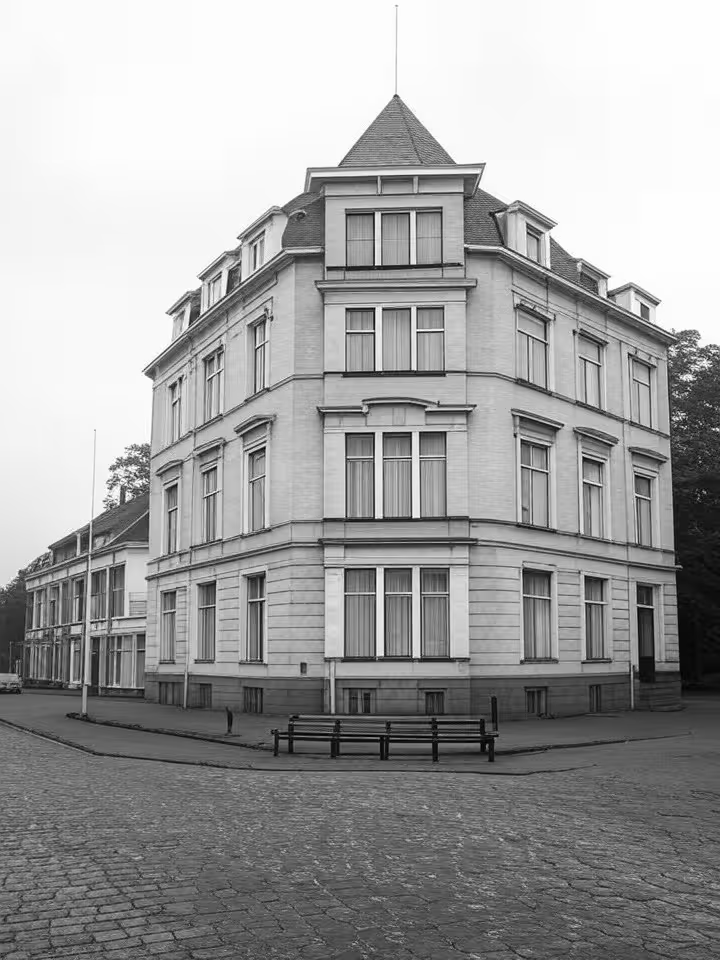
Il Comitato direttivo del Bilderberg è nato dalle ansie del secondo dopoguerra per l'alleanza atlantica. Nel 1954, il consigliere politico polacco Jozef Retinger e il principe olandese Bernhard convocarono la prima riunione all'Hotel de Bilderberg di Oosterbeek, nei Paesi Bassi, preoccupati per il crescente sentimento antiamericano in Europa occidentale.
Fin dal primo giorno, un organo di coordinamento era essenziale. L'iniziale Comitato direttivo comprendeva membri fondatori come l'ex Primo Ministro belga Paul van Zeeland e l'uomo d'affari americano John S. Coleman. Il loro mandato era semplice: garantire la continuità, gestire la logistica e mantenere la discrezione che sarebbe diventata il marchio di fabbrica del Bilderberg.
L'evoluzione attraverso i cambiamenti geopolitici
La composizione del comitato ha rispecchiato i cambiamenti globali. Durante l'escalation della Guerra Fredda negli anni '60, si è ampliato per includere maggiori leader finanziari e industriali. L'incontro di Saltsjöbaden del 1973 affrontò la crisi petrolifera, un argomento scelto dal comitato quando l'embargo dell'OPEC scosse le economie occidentali.
Dopo la caduta del muro di Berlino, il comitato ha iniziato a invitare partecipanti dell'Europa orientale, riflettendo la nuova realtà geopolitica. La riunione di Chantilly (Virginia) del 2008, durante la crisi finanziaria, si è concentrata sulla stabilità economica. Più recentemente, la riunione di Lisbona del 2023 ha affrontato i temi della governance dell'IA e delle transizioni energetiche.
Secondo il sito ufficiale del Bilderberg, Il Comitato ha mantenuto la sua struttura informale per tutto il tempo - non esiste uno statuto ufficiale al di là del suo mandato organizzativo. Questa flessibilità gli ha permesso di adattarsi, pur mantenendo la missione principale di facilitare il dialogo transatlantico.
Chi fa parte del Comitato direttivo?
L'attuale Comitato direttivo comprende circa 35 membri che rappresentano diversi settori e nazionalità. Victor Halberstadt, professore olandese di economia, presiede il comitato dal 2019, succedendo al presidente di lunga data Étienne Davignon.
Tra gli attuali membri di rilievo figurano:
Marie-Josée Kravis (USA) – Senior Fellow presso l'Hudson Institute, economista
Zanny Minton Beddoes (Regno Unito) – Direttore Responsabile de The Economist
Oscar Stenström (Svezia) – Segretario di Stato per il commercio internazionale e dell'Unione europea
Josef Ackermann (Svizzera) – Ex amministratore delegato di Deutsche Bank
Jens Stoltenberg (Norvegia) – Segretario generale della NATO (partecipante invitato)
Il processo di selezione su invito
Non è prevista alcuna domanda per entrare a far parte del Comitato direttivo. I membri vengono selezionati attraverso un processo opaco basato su competenze, influenza e precedenti partecipazioni al Bilderberg. Gli attuali membri del comitato nominano i candidati e le decisioni vengono prese collettivamente all'interno del gruppo.
La permanenza può durare decenni. Alcuni membri hanno servito per oltre vent'anni, fornendo continuità istituzionale. Questo coinvolgimento a lungo termine aiuta a mantenere il carattere del Bilderberg attraverso le mutevoli circostanze globali.
Il comitato cerca deliberatamente un equilibrio geografico, con rappresentanti provenienti da diverse nazioni europee, dagli Stati Uniti e dal Canada. Negli ultimi anni è aumentata la diversità di genere, anche se gli uomini sono ancora predominanti. Anche l'equilibrio settoriale è una priorità, con un mix di funzionari governativi, dirigenti d'azienda, accademici e giornalisti.
Cosa fa effettivamente il Comitato direttivo?
Le responsabilità primarie del comitato si concentrano sull'organizzazione di ogni conferenza annuale:
Selezione dei partecipanti
Forse il ruolo più influente del comitato è decidere chi riceve il prestigioso invito. Ogni anno, circa due terzi dei partecipanti sono confermati, mentre un terzo sono nuovi arrivati. Il comitato mira a un equilibrio tra voci consolidate e prospettive fresche.
I criteri di selezione includono la posizione attuale, la competenza in argomenti rilevanti e la capacità di contribuire in modo significativo a discussioni non ufficiali. Secondo quanto riferito da più parti, i membri del comitato nominano i potenziali invitati dalle loro reti, e le decisioni finali vengono prese collettivamente.
Impostazione dell'agenda
Il comitato stabilisce gli argomenti di discussione con mesi di anticipo. I recenti ordini del giorno hanno affrontato i seguenti temi:
Governance dell'intelligenza artificiale (2023)
Ripresa economica post-pandemia (2022)
Cambiamento climatico e sicurezza energetica (2019)
Minacce informatiche e sovranità digitale (2018)
Riallineamenti geopolitici e populismo (2017)
Gli argomenti riflettono le attuali problematiche globali, anche se il comitato non dispone di un apparato di ricerca formale. I membri attingono invece alla loro esperienza professionale e alle loro reti per identificare le questioni che meritano di essere discusse.
Applicazione della riservatezza
Il Comitato direttivo mantiene il Regola di Chatham Housei partecipanti possono utilizzare le informazioni ricevute ma non possono rivelare l'identità o l'affiliazione degli oratori o di altri partecipanti. Questa riservatezza è la caratteristica distintiva del Bilderberg, che consente scambi schietti senza timore di travisamenti.
I membri del comitato prendono molto sul serio questa responsabilità. Le disposizioni in materia di sicurezza sono estese e le violazioni sono rare. Il compromesso è evidente: la privacy consente la franchezza ma alimenta le speculazioni su ciò che viene effettivamente detto.
Gestione della logistica e dei finanziamenti
Il comitato si occupa degli aspetti pratici: selezione delle sedi, coordinamento della sicurezza con i governi ospitanti e gestione delle finanze. I finanziamenti provengono principalmente dai contributi dei partecipanti e da sponsor aziendali, sebbene le cifre esatte non vengano rese note.
La questione della trasparenza: Critiche e difese
L'opacità del Comitato direttivo lo ha reso un capro espiatorio per le critiche. Comprendere sia le critiche che le difese fornisce il contesto necessario.
Critiche comuni
Esclusività d'élite: I critici sostengono che il comitato rappresenti un'élite di potere irresponsabile che prende decisioni che riguardano la gente comune. Il modello su invito, unito alle posizioni influenti dei partecipanti, solleva interrogativi sulla responsabilità democratica.
Mancanza di trasparenza: Nessun verbale, nessuna conferenza stampa, nessuna responsabilità pubblica. La BBC e il Guardian si sono chiesti se tali riunioni segrete siano appropriate nelle società democratiche, soprattutto quando vi partecipano funzionari governativi in carica.
Potenziale influenza politica: Mentre il Bilderberg non emette raccomandazioni formali, i critici notano che i partecipanti spesso ricoprono posizioni in cui possono attuare le idee discusse. Questa influenza informale è più difficile da monitorare rispetto ai processi politici formali.
Le proteste si sono verificate in occasione di diverse riunioni. Alla conferenza di Watford del 2013 i manifestanti hanno chiesto trasparenza. Tuttavia, queste proteste sono state generalmente pacifiche e di piccola entità.
La Difesa del Comitato
I sostenitori, compresi i membri del comitato che hanno parlato pubblicamente, offrono diversi controargomenti:
La privacy permette l'onestà: Le discussioni ufficiose permettono ai partecipanti di testare le idee, ammettere le incertezze e approfondire gli argomenti senza fare politica. Ciò è impossibile nei forum pubblici, dove ogni parola viene scrutinata.
Nessuna autorità formale: Il comitato non prende decisioni vincolanti né emette direttive. Facilita le conversazioni tra persone che si incontrerebbero informalmente comunque: il Bilderberg fornisce semplicemente una struttura.
Bilancio di responsabilità: In sette decenni non è emersa alcuna prova verificata che il Bilderberg abbia diretto politiche specifiche o coordinato agende nascoste. Le teorie cospirazioniste che lo circondano restano non supportato da prove credibili.
Valore della diplomazia informale: In un'epoca di polarizzazione del discorso pubblico, i forum privati in cui i leader possono parlare con franchezza svolgono una funzione importante. La diplomazia di secondo livello svolge da tempo questo ruolo nelle relazioni internazionali.
Connessioni a reti più ampie
Il Comitato direttivo non opera in isolamento. Molti membri mantengono posizioni in reti internazionali sovrapposte:
Forum economico mondiale: Diversi membri del comitato sono fiduciari del WEF o partecipano regolarmente a Davos.
Commissione Trilaterale: Fondato da David Rockefeller, partecipante al Bilderberg, questo organismo condivide obiettivi simili di promozione della cooperazione internazionale.
Consiglio per le relazioni estere: Più membri del comitato ricoprono posizioni o borse di studio presso il CFR
Gruppi di riflessione: I membri del Comitato spesso dirigono o siedono nei consigli di amministrazione di istituti di politica come l'Hudson Institute, Chatham House o Bruegel.
Questi collegamenti amplificano il ruolo del Bilderberg nelle discussioni sulla politica internazionale. Le idee generate nelle riunioni del Bilderberg possono riemergere nelle pubblicazioni del CFR, nelle iniziative del WEF o nelle politiche governative, anche se tracciare una causalità diretta è quasi impossibile a causa della riservatezza.
Questa rete di élite interconnessa è esistita per tutto il periodo successivo alla Seconda guerra mondiale. Il Bilderberg è un nodo di un più ampio ecosistema di meccanismi informali di governance internazionale che integrano istituzioni formali come l'ONU o l'UE.
Domande frequenti
Chi presiede attualmente il Comitato direttivo del Bilderberg?
Victor Halberstadt, professore olandese di economia, ricopre la carica di presidente dal 2019. È succeduto allo statista belga Étienne Davignon, che ha ricoperto la carica per molti anni. Il ruolo di presidente consiste nel coordinare le attività del comitato e nel fungere da volto pubblico del Bilderberg nelle rare occasioni in cui si confronta con i media.
Quante persone fanno parte del Comitato direttivo?
Il comitato comprende in genere 30-40 membri in qualsiasi momento. Il numero esatto varia in base all'ingresso o al ritiro dei membri. L'adesione è su invito e spesso è a lungo termine, con alcuni individui che restano in carica per decenni. Il comitato cerca un equilibrio geografico e settoriale tra i suoi membri.
Si può chiedere di entrare a far parte del Comitato direttivo?
No. Non esiste alcuna procedura di candidatura pubblica. I membri vengono selezionati tramite nomina interna da parte dei membri del comitato esistenti, con decisioni prese collettivamente. La selezione si basa su competenza, influenza e partecipazione precedente al Bilderberg. Il processo opaco è coerente con la più ampia enfasi del Bilderberg sulla privacy.
Il Comitato direttivo ha un'autorità formale sulla politica?
No. Il comitato non ha alcuna autorità legale, non emette raccomandazioni politiche e non coordina le azioni dei partecipanti dopo le riunioni. Il suo ruolo è puramente organizzativo: pianificare la conferenza annuale e facilitare le discussioni. Qualsiasi influenza è indiretta, emergente dalle posizioni dei singoli partecipanti e dalle idee scambiate durante le riunioni.
Come viene finanziato il Bilderberg Meeting?
Il Comitato Direttivo gestisce i finanziamenti tramite i contributi dei partecipanti e le sponsorizzazioni aziendali. I dettagli finanziari esatti non vengono resi pubblici. Il budget copre i costi della sede, la sicurezza, la logistica e le spese amministrative. I partecipanti solitamente pagano le proprie spese di viaggio, sebbene ciò non sia confermato in modo uniforme.
Perché il comitato direttivo non rilascia verbali o agende in anticipo?
Il comitato ritiene che la riservatezza sia essenziale per una discussione franca tra i partecipanti che potrebbero altrimenti sentirsi limitati dal controllo pubblico. Gli ordini del giorno sono pubblicati sul sito web ufficiale dopo ogni riunione e riportano gli argomenti di discussione, ma non le posizioni o le proposte specifiche. Questo approccio privilegia la franchezza rispetto alla trasparenza, un compromesso che la commissione ritiene necessario per un dialogo produttivo.
Punti di forza
Il Comitato direttivo è l'organo organizzativo del Bilderberg, composto da 30-40 membri influenti che pianificano la conferenza annuale, selezionano i partecipanti e stabiliscono gli argomenti di discussione.
L'adesione è opaca e a lungo termine, La selezione avviene per nomina interna, in base alle competenze e all'influenza. Alcuni membri restano in carica per decenni, garantendo la continuità istituzionale.
Il comitato non ha alcuna autorità formale oltre l'organizzazione. Non elabora politiche, non emette direttive né coordina le azioni dei partecipanti: facilita solo discussioni ufficiose.
La riservatezza è il principio fondamentale, La riservatezza è un elemento fondamentale della politica estera, che viene applicato attraverso le Regole di Chatham House per consentire scambi franchi. Questa riservatezza alimenta sia il dialogo produttivo che lo scetticismo dell'opinione pubblica.
Le critiche si concentrano sulla trasparenza e sull'influenza delle élite., con domande sulla responsabilità quando figure potenti si incontrano in privato. I difensori sostengono che la privacy consente una conversazione onesta, impossibile nei forum pubblici.
Il comitato si collega a reti più ampie incluso il World Economic Forum, il Council on Foreign Relations e la Commissione Trilaterale, amplificando il ruolo del Bilderberg nei dibattiti di politica internazionale.
L'evoluzione storica riflette i cambiamenti globali, dalle preoccupazioni della Guerra Fredda alla sicurezza post 11 settembre, fino all'attuale governance dell'IA, dimostrando adattabilità e mantenendo la missione fondamentale della cooperazione transatlantica.
Connessioni documentate tra il CFR e il Gruppo Bilderberg. Un'analisi basata sui fatti della rete d'élite che collega entrambe le organizzazioni dal 1921.
Per fornire le migliori esperienze, utilizziamo tecnologie come i cookie per memorizzare e/o accedere alle informazioni del dispositivo. Il consenso a queste tecnologie ci consentirà di elaborare dati quali il comportamento di navigazione o gli ID univoci su questo sito. Il mancato consenso o la revoca del consenso possono influire negativamente su alcune caratteristiche e funzioni.
Funzionale
Sempre attivo
La memorizzazione tecnica o l'accesso sono strettamente necessari per il fine legittimo di consentire l'utilizzo di un servizio specifico esplicitamente richiesto dall'abbonato o dall'utente, o al solo scopo di effettuare la trasmissione di una comunicazione su una rete di comunicazione elettronica.
Preferenze
La memorizzazione tecnica o l'accesso sono necessari per il legittimo scopo di memorizzare preferenze non richieste dall'abbonato o dall'utente.
Statistiche
La memorizzazione tecnica o l'accesso utilizzati esclusivamente a fini statistici.La memorizzazione tecnica o l'accesso che viene utilizzato esclusivamente per scopi statistici anonimi. In assenza di una citazione, di un'adesione volontaria da parte del vostro Internet Service Provider o di registrazioni aggiuntive da parte di terzi, le informazioni memorizzate o recuperate a questo scopo non possono essere utilizzate per identificare l'utente.
Marketing
La memorizzazione tecnica o l'accesso sono necessari per creare profili di utenti per l'invio di pubblicità, o per tracciare l'utente su un sito web o su più siti web per scopi di marketing simili.