
Ogni anno, circa 120-150 persone tra le più potenti del mondo ricevono un invito privato al Bilderberg Meeting, uno dei più segreti incontri delle élite globali. Non c'è un modulo di iscrizione, non ci sono criteri pubblici e non c'è pubblicità. Come si fa a essere invitati?
I fatti principali degli inviti Bilderberg
- Fondato nel 1954, il Bilderberg opera attraverso un Comitato direttivo di 30 membri che controlla tutti gli inviti.
- Ogni anno vengono selezionati 120-150 partecipanti provenienti da politica, finanza, media, tecnologia e mondo accademico.
- Non esiste alcun processo di candidatura pubblica: tutti gli inviti sono privati e personali.
- La selezione privilegia la comprovata influenza, l'attualità dei temi in agenda e i legami transatlantici.
- La maggior parte degli inviti è una tantum, anche se figure influenti possono essere invitate ripetutamente.
- Gli elenchi dei partecipanti vengono pubblicati dopo le riunioni, ma le delibere di selezione rimangono riservate.
- Il processo enfatizza la discrezione, la competenza e la capacità di impegnarsi in un dialogo non ufficiale.

Introduzione: La lista degli ospiti più esclusiva del mondo
Immaginate di ricevere un invito a incontrare primi ministri, amministratori delegati di Fortune 500, funzionari della NATO e miliardari del settore tecnologico, il tutto sotto strette regole di riservatezza in cui nulla di quanto detto può essere attribuito o riportato. Questo è il Bilderberg Meeting, un incontro annuale che riunisce l'élite transatlantica dal 1954.
A differenza di Davos o di altre conferenze di alto profilo, il Bilderberg opera praticamente senza accesso ai media. Le discussioni seguono il Regola di Chatham House, permettendo ai partecipanti di utilizzare le intuizioni acquisite senza mai rivelare chi ha detto cosa. Questa discrezione lo ha reso uno dei raduni più controllati e incompresi al mondo.
Capire come funzionano gli inviti è importante perché queste conversazioni private danno forma alle prospettive della politica globale, della strategia economica e delle relazioni internazionali. Il processo di selezione rivela molto sulle moderne strutture di potere: chi ha influenza, come operano le reti d'élite e quali criteri definiscono la rilevanza ai livelli più alti.
In questo articolo imparerete:
- L'evoluzione storica del processo di invito del Bilderberg dal 1954
- Come il Comitato direttivo seleziona i partecipanti
- Modelli e criteri verificabili, evidenti in 70 anni di elenchi di partecipanti.
- Miti comuni e realtà documentate su come ricevere un invito
- Cosa rivela il processo di selezione sulle dinamiche del potere globale
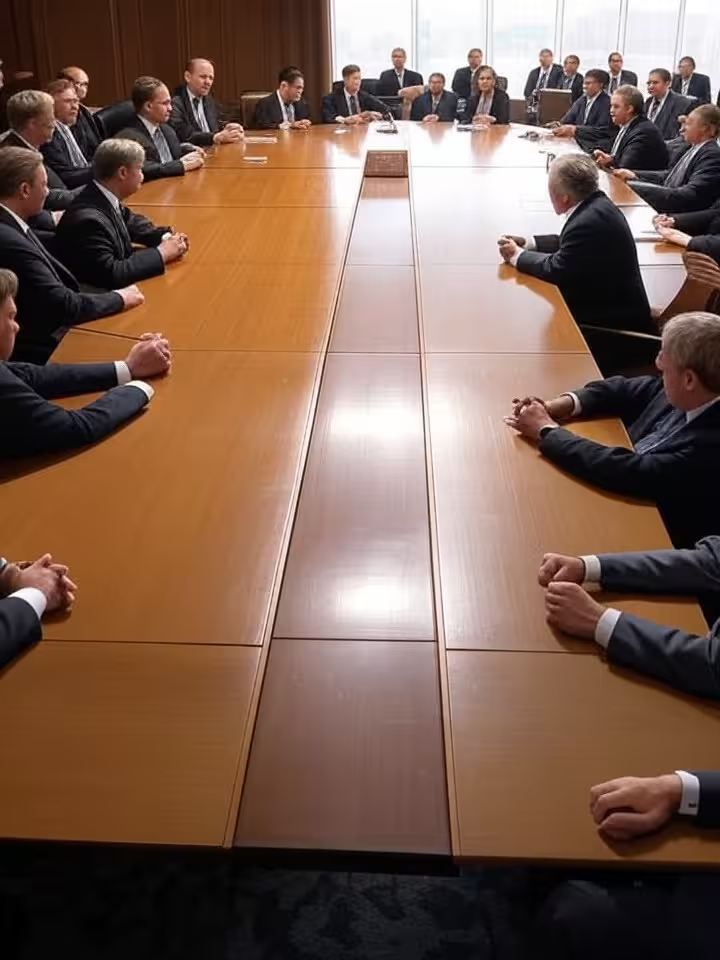
L'evoluzione storica degli inviti Bilderberg (1954-presente)
L'era della fondazione: Reti personali e priorità della guerra fredda
La prima riunione del Bilderberg si è tenuta dal 29 al 31 maggio 1954 presso l'Hotel de Bilderberg di Oosterbeek, nei Paesi Bassi. Il consigliere politico polacco Józef Retinger e il principe olandese Bernhard organizzarono l'incontro specificamente per affrontare il crescente sentimento antiamericano in Europa occidentale durante la prima guerra fredda.
All'incontro inaugurale parteciparono circa 50 delegati provenienti da 11 Paesi. Gli inviti sono stati gestiti personalmente dai fondatori attraverso le loro vaste reti nei circoli reali europei, finanziari americani e politici.
Il principe Bernhard è stato il primo presidente fino al 1976 e le sue conoscenze reali si sono rivelate fondamentali per attirare partecipanti di alto livello. Tra i primi invitati figurano figure di spicco come il titano bancario David Rockefeller, che sarebbe diventato uno dei partecipanti più costanti del Bilderberg nei decenni successivi.
Formalizzazione: Il comitato direttivo assume il controllo
Nei primi anni, i fondatori hanno istituito un comitato direttivo formale per istituzionalizzare il processo di selezione. Questo comitato, inizialmente composto da membri come il belga Paul van Zeeland e lo statunitense David Rockefeller, si concentrò sull'invito di persone in grado di colmare i divari tra politica, industria e mondo accademico.
La struttura del comitato assicurava la continuità al di là dell'influenza di un singolo fondatore. Ruotando periodicamente i membri e attingendo dai partecipanti precedenti, il sistema si è autoalimentato pur mantenendo il suo carattere esclusivo.
Adattamenti della Guerra Fredda: Figure militari e di intelligence
Con l'intensificarsi della guerra fredda negli anni Sessanta, gli schemi di convocazione cambiarono sensibilmente. Il Comitato direttivo iniziò a includere un maggior numero di funzionari militari e dell'intelligence, in particolare rappresentanti della NATO, per rispondere alle crescenti preoccupazioni in materia di sicurezza nelle relazioni transatlantiche.
Gli elenchi storici dei partecipanti mostrano la partecipazione del Primo Ministro britannico Harold Macmillan nel 1957, mentre leader d'azienda come Giovanni Agnelli della Fiat hanno ricevuto molteplici inviti durante tutto il periodo. Il processo di selezione è rimasto costante: nessuna candidatura pubblica, solo inviti mirati basati sulla rilevanza geopolitica del momento.
Crisi economiche e rappresentanza settoriale (anni '70-'80)
Le crisi petrolifere degli anni Settanta hanno spinto a invitare un maggior numero di dirigenti del settore energetico. I rappresentanti di Shell, Exxon e di altre grandi compagnie energetiche compaiono nelle liste dei partecipanti, mentre la politica petrolifera domina il discorso internazionale.
Negli anni '80, quando la tecnologia digitale ha iniziato a trasformare le economie, il Comitato direttivo ha iniziato a invitare pionieri della tecnologia e dirigenti delle telecomunicazioni. Questo schema dimostra come gli inviti del Bilderberg riflettano costantemente le preoccupazioni globali contemporanee piuttosto che seguire una formula statica.
Globalizzazione post-Guerra Fredda (anni '90-2000)
Un esempio notevole del ruolo del Bilderberg nell'identificazione di figure politiche emergenti si è verificato nel 1991, quando Bill Clinton vi partecipò in qualità di governatore dell'Arkansas, prima del successo della sua campagna presidenziale. Questo invito dimostrò la funzione dell'incontro nel mostrare i leader emergenti ai mediatori di potere già affermati.
Il periodo successivo alla Guerra Fredda ha visto una graduale espansione al di là del focus euro-americano. Occasionali partecipanti dall'Asia e da altre regioni hanno iniziato a comparire nelle liste, anche se la stragrande maggioranza ha continuato a provenire dal Nord America e dall'Europa occidentale.
L'era digitale: i dirigenti del settore tecnologico entrano a far parte dell'élite (anni 2010-oggi)
Negli ultimi decenni i dirigenti della Silicon Valley sono stati invitati regolarmente. Eric Schmidt ha partecipato più volte durante il suo mandato a Google. L'incontro di Lisbona del 2023 (18-21 maggio) ha visto la partecipazione di Sam Altman di OpenAI, a testimonianza dell'attenzione del Bilderberg per l'intelligenza artificiale e le sue implicazioni geopolitiche.
Nel corso di sette decenni, un elemento è rimasto costante: il processo di invito opera interamente attraverso canali privati, con selezioni legate direttamente a questioni globali attuali piuttosto che all'appartenenza permanente o a criteri pubblici.
Chi controlla gli inviti? All'interno del Comitato direttivo
Struttura e composizione
Il Comitato direttivo del Bilderberg è composto da circa 30 membri che supervisionano tutti gli aspetti della riunione annuale, compreso il compito cruciale della selezione dei partecipanti. I membri rappresentano diversi Paesi e le posizioni ruotano periodicamente per mantenere nuove prospettive e garantire la memoria istituzionale.
Gli attuali membri del comitato elencati sul sito ufficiale del Bilderberg includono figure di lunga data come Victor Halberstadt dei Paesi Bassi (dal 1975) e Marie-Josée Kravis degli Stati Uniti. Queste persone vantano decenni di esperienza nel campo della finanza, della politica e delle relazioni internazionali.
Il processo di selezione: Come vengono prese le decisioni
Il Comitato direttivo si riunisce più volte all'anno per pianificare l'agenda e compilare l'elenco degli invitati. Sebbene le procedure esatte di deliberazione rimangano riservate, il processo si concentra sull'identificazione dei leader che possono contribuire in modo significativo alle discussioni su argomenti prestabiliti come la sicurezza internazionale, la politica economica e le interruzioni tecnologiche.
Le decisioni sembrano essere raggiunte attraverso il consenso piuttosto che con votazioni formali. I membri del Comitato sfruttano le loro ampie reti professionali per identificare e vagliare i potenziali invitati. Questo approccio garantisce che i partecipanti possiedano sia le competenze che la discrezione necessaria per un dialogo riservato.
Da partecipante a membro del Comitato: La conduttura
I membri del Comitato direttivo sono a loro volta attinti dal pool di ex partecipanti che hanno dimostrato impegno nella missione del Bilderberg. José Manuel Barroso, ex presidente della Commissione europea, è entrato a far parte del comitato dopo aver partecipato a diverse riunioni negli anni 2000, una traiettoria tipica.
Questa struttura che si auto-perpetua garantisce la continuità ideologica e mantiene l'attenzione del gruppo sul rafforzamento delle relazioni transatlantiche. I nuovi membri del comitato sono nominati tra gli invitati regolari che hanno dimostrato dedizione ai principi del forum e discrezione nei suoi lavori.
Flessibilità annuale: Nessun partecipante fisso
A differenza delle organizzazioni associative, il Bilderberg emette nuovi inviti ogni anno. Questa flessibilità consente al comitato di adattare il mix di partecipanti in base agli eventi attuali e alle questioni emergenti. Chi viene invitato un anno non ha garanzie di inviti futuri, anche se figure particolarmente influenti possono ricevere inviti ripetuti.
L'incontro del 2022 a Washington (2-5 giugno) ha visto la partecipazione del Segretario al Commercio degli Stati Uniti Gina Raimondo e del CEO di Pfizer Albert Bourla: una selezione che riflette chiaramente le priorità politiche post-pandemia e l'influenza dell'industria farmaceutica sulla governance della salute globale.
Critiche: Composizione occidentale-centrica
I critici hanno notato che la composizione del Comitato direttivo favorisce fortemente le élite occidentali, con una rappresentanza limitata dei Paesi in via di sviluppo. Tuttavia, gli elenchi dei partecipanti degli anni 2010 mostrano un certo sforzo per includere voci provenienti da Cina, India e altre economie emergenti.
Il ruolo di gatekeeper della commissione determina inevitabilmente le prospettive che informano queste influenti discussioni. Sebbene la competenza e la discrezione siano priorità dichiarate, il processo di selezione basato sulla rete favorisce naturalmente coloro che sono già collegati alle strutture di potere transatlantiche.
Modelli verificabili: Chi viene effettivamente invitato
Settori professionali rappresentati
L'analisi di sette decenni di elenchi di partecipanti rivela una rappresentanza costante di settori specifici:
- Politica e governo: I primi ministri, i funzionari di gabinetto, i leader dell'opposizione e gli alti funzionari burocratici rappresentano circa il 30-40% dei partecipanti.
- Finanza e banche: Banchieri centrali, leader di società di investimento e dirigenti bancari formano un altro 20-30%
- Leadership aziendale: Amministratori delegati e membri dei consigli di amministrazione di società multinazionali, in particolare nei settori della tecnologia, dell'energia e della produzione.
- Media: Editori, redattori e dirigenti delle principali organizzazioni giornalistiche (in particolare, i giornalisti in attività sono generalmente esclusi)
- Accademie e gruppi di riflessione: Presidenti di università, professori di spicco e direttori di istituti politici
- Militare e di intelligence: Funzionari della NATO, ministri della Difesa e, occasionalmente, dirigenti delle agenzie di intelligence.
Distribuzione geografica
Circa due terzi dei partecipanti provengono da Paesi europei, mentre il resto proviene principalmente da Stati Uniti e Canada. Questo equilibrio transatlantico riflette la missione fondante del Bilderberg di rafforzare le relazioni nordamericane ed europee.
Sebbene negli ultimi anni si siano registrati occasionalmente partecipanti provenienti dall'Asia, dall'America Latina e da altre regioni, persiste la preponderante concentrazione euro-americana. L'incontro di Lisbona del 2023 ha continuato a seguire questo schema, anche se con una diversità geografica leggermente maggiore rispetto ai primi decenni.
Identificare le stelle nascenti
Uno schema particolare prevede l'invito di figure politiche emergenti prima che raggiungano posizioni di vertice. Angela Merkel ha partecipato nel 2005 come leader dell'opposizione tedesca, anni prima di diventare Cancelliere. Allo stesso modo, Emmanuel Macron ha ricevuto un invito prima della sua presidenza francese.
Questa pratica ha molteplici scopi: offre ai leader emergenti un'esposizione ai mediatori di potere consolidati, segnala alle altre élite chi merita attenzione e crea relazioni che potrebbero rivelarsi preziose una volta che gli invitati assumeranno cariche più elevate.
Selezione guidata dagli argomenti
I modelli di invito sono chiaramente correlati alle agende delle riunioni. Quando il cambiamento climatico è apparso come argomento principale alla riunione di Montreux del 2019, diversi esperti di politica ambientale hanno ricevuto inviti. Le riunioni del 2020-2022 hanno visto la partecipazione di numerosi funzionari della sanità pubblica e dirigenti del settore farmaceutico, quando il COVID-19 ha dominato le preoccupazioni globali.
Questa reattività dimostra che il Comitato direttivo cura attivamente gli elenchi dei partecipanti per garantire le competenze rilevanti per le discussioni in corso, anziché mantenere un elenco statico.
Tendenze di genere e diversità
Le prime riunioni del Bilderberg erano a maggioranza maschile. L'elenco dei partecipanti del 2023 mostrava circa 30% donne: un aumento significativo rispetto ai decenni precedenti, ma che riflette ancora gli squilibri di genere nelle posizioni di vertice a livello globale.
La diversità etnica e razziale è migliorata in misura modesta, anche se il gruppo dei partecipanti è ancora fortemente orientato verso i bianchi europei e nordamericani. Ciò riflette sia la composizione delle élite transatlantiche sia il processo di selezione basato sulla rete, che tende a riprodurre i modelli demografici esistenti.
L'effetto rete: Le connessioni precedenti contano
Molti invitati hanno legami esistenti con i partecipanti precedenti o condividono l'appartenenza a forum correlati come la Commissione Trilaterale, il Consiglio per le Relazioni Estere o il Forum Economico Mondiale. Henry Kissinger, che ha partecipato frequentemente dal 1957 in poi, è un esempio di come i partecipanti di lunga data influenzino le selezioni future attraverso il loro ruolo di consulenti.
Questo effetto rete non costituisce un prerequisito formale, ma aumenta significativamente la probabilità di invito. Coloro che già circolano nei circoli d'élite transatlantici hanno una visibilità molto maggiore per i membri del Comitato direttivo che prendono le decisioni di selezione.
Cosa non prevede gli inviti
Notevole l'assenza di modelli verificabili:
- L'appartenenza a specifiche società segrete (nonostante le teorie cospirazioniste)
- Particolari percorsi formativi (anche se le università d'élite sono comuni)
- Ideologie politiche specifiche (i partecipanti spaziano dal centro-sinistra al centro-destra)
- Solo la ricchezza (molti miliardari non ricevono mai inviti)
L'accento sembra essere posto sull'influenza e la rilevanza attuali piuttosto che sulle credenziali o le affiliazioni statiche.
Miti e realtà: Separare i fatti dalla finzione
Mito #1: È possibile richiedere o fare pressioni per un invito
Realtà: Non è prevista alcuna procedura di candidatura, né pubblica né privata. Tutti gli inviti avvengono esclusivamente a discrezione del Comitato direttivo. Non esistono prove verificabili di un'efficace attività di lobbying per ottenere gli inviti, anche se il sistema basato sulla rete significa che essere conosciuti dai membri del comitato è ovviamente utile.
Mito #2: il Bilderberg è una società segreta con un'affiliazione formale
Realtà: Il Bilderberg è una conferenza annuale, non un'organizzazione con membri. La maggior parte degli inviti sono una tantum. Anche se alcuni individui partecipano più volte, non ci sono quote associative, rituali o obblighi continui. Gli elenchi dei partecipanti vengono pubblicati dopo ogni riunione sul sito web ufficiale.
Mito #3: I partecipanti devono prima aderire ad altre organizzazioni segrete
Realtà: Nessuna prova supporta i requisiti per l'appartenenza alla Massoneria, a Skull and Bones o ad altri gruppi frequentemente citati in teorie cospiratorie sul Bilderberg. Le liste dei partecipanti includono persone che non hanno legami apparenti con tali organizzazioni.
Mito #4: Il Bilderberg prende decisioni vincolanti
Realtà: La posizione ufficiale enfatizza la partecipazione volontaria e informale, senza votazioni o impegni vincolanti. Il forum facilita il dialogo e la creazione di relazioni, ma non funge da organo decisionale in senso formale.
La realtà: La riservatezza permette la sincerità
Il vero scopo delle regole di privacy è quello di consentire una discussione franca senza che i partecipanti si preoccupino dell'attribuzione pubblica. Ciò consente ai leader di esplorare idee, ammettere incertezze e discutere di argomenti delicati in modo più aperto rispetto a quanto consentito dai forum pubblici.
Realtà: Influenza attraverso le reti, non i comandi
L'influenza effettiva del Bilderberg opera attraverso la costruzione di relazioni e la condivisione di prospettive piuttosto che attraverso direttive coordinate. I partecipanti tornano alle loro posizioni con nuove intuizioni e connessioni che possono influenzare le loro decisioni, ma non c'è un'autorità centrale che impartisce ordini.
Realtà: La trasparenza è aumentata
Contrariamente alle affermazioni di totale segretezza, il Bilderberg ora pubblica gli elenchi dei partecipanti e gli argomenti generali dell'ordine del giorno sul suo sito web ufficiale poco dopo ogni riunione. Ciò rappresenta una trasparenza significativa rispetto ai primi decenni del gruppo, anche se le discussioni specifiche rimangono riservate.
Domande frequenti
Posso richiedere un invito al Bilderberg?
Non è prevista alcuna procedura di candidatura. Tutti gli inviti vengono fatti privatamente dal Comitato direttivo in base alla valutazione di chi può contribuire in modo significativo alle discussioni di quell'anno. Il tentativo di richiedere un invito sarebbe probabilmente controproducente, poiché il processo di selezione dà valore alla discrezione.
Quante volte si può partecipare al Bilderberg?
La maggior parte dei partecipanti riceve un solo invito nel corso della propria vita. Tuttavia, figure particolarmente influenti o con una rilevanza costante su argomenti chiave possono essere invitate più volte. Henry Kissinger, ad esempio, ha partecipato a decine di riunioni nel corso di diversi decenni, mentre altri partecipano una sola volta e non tornano più.
I partecipanti pagano per partecipare al Bilderberg?
Gli accordi finanziari specifici non vengono resi noti pubblicamente, ma i rapporti indicano che il Paese ospitante e le organizzazioni sponsor coprono la maggior parte dei costi. I partecipanti o le loro organizzazioni possono coprire le proprie spese di viaggio. Non sono previste quote di iscrizione, poiché il Bilderberg non è un'organizzazione associativa.
Perché i giornalisti sono esclusi dalle discussioni del Bilderberg?
I giornalisti non sono generalmente invitati a partecipare (anche se a volte vi partecipano dirigenti dei media). Questa esclusione sostiene la Regola di Chatham House, che non funzionerebbe se i giornalisti fossero presenti per coprire l'evento. Questa politica mira a consentire un dialogo sincero senza problemi di attribuzione o di pubblicazione.
Il processo di selezione è diventato più diversificato nel tempo?
Sì, modestamente. Gli elenchi recenti dei partecipanti mostrano una maggiore diversità di genere (circa 30% di donne nel 2023 rispetto a circa 0% nei primi decenni) e occasionali partecipanti provenienti da fuori della tradizionale sfera euro-americana. Tuttavia, il profilo demografico riflette ancora pesantemente le strutture di potere transatlantiche, con gli europei bianchi e i nordamericani che dominano la lista degli invitati.
Cosa succede se si rifiuta un invito del Bilderberg?
Non ci sono informazioni pubbliche sugli inviti rifiutati, poiché il processo rimane riservato. Presumibilmente, rifiutare non avrebbe conseguenze negative oltre alla perdita dell'opportunità. Dato il prestigio del forum, è probabile che i rifiuti siano rari, anche se alcune figure pubbliche potrebbero rifiutarsi per evitare polemiche o apparenze improprie.
I punti chiave: Capire gli inviti del Bilderberg
- Selezione privata, basata sulla rete: Il Comitato direttivo, composto da 30 membri, controlla tutti gli inviti attraverso un processo riservato che si basa su reti professionali piuttosto che su criteri o candidature pubbliche.
- La rilevanza attuale è la cosa più importante: I modelli di invito sono chiaramente correlati a questioni contemporanee, dalla sicurezza della Guerra Fredda negli anni '60 all'intelligenza artificiale nel 2023, suggerendo che le competenze e l'influenza attuali superano le credenziali statiche.
- Le stelle nascenti ottengono l'accesso anticipato: Il processo di selezione include in particolare i leader emergenti prima che raggiungano le posizioni di vertice, creando relazioni che possono influenzare le loro decisioni successive nelle alte cariche.
- Diversità limitata ma crescente: Sebbene la diversità geografica, di genere e professionale sia migliorata nel corso di 70 anni, il bacino dei partecipanti rimane fortemente euro-americano, maschile e proveniente dai settori tradizionali del potere.
- Nessuna struttura associativa formale: A differenza di quanto suggeriscono le teorie cospirazioniste, il Bilderberg opera come una conferenza annuale con inviti per lo più una tantum, piuttosto che come una società segreta con membri permanenti e obblighi vincolanti.
- Trasparenza entro i limiti: Gli elenchi dei partecipanti e gli argomenti generali all'ordine del giorno sono ora pubblicati pubblicamente dopo le riunioni, garantendo una maggiore trasparenza rispetto ai primi decenni, pur mantenendo la riservatezza delle discussioni.
- Influenza attraverso le relazioni: L'impatto effettivo del forum deriva dall'agevolazione del networking di alto livello e della condivisione di prospettive, piuttosto che dal prendere decisioni formali o impartire direttive ai partecipanti.
Fonti e ulteriori letture
Fonti ufficiali
- Spiegazione della Regola di Chatham House - Descrizione ufficiale del principio di riservatezza utilizzato al Bilderberg
Copertura e analisi delle notizie
- The Guardian - Copertura del Bilderberg e resoconto dei partecipanti
- BBC News - Reportage storico e contemporaneo sulle riunioni del Bilderberg
- Financial Times - Analisi dei partecipanti al Bilderberg in campo economico e finanziario
Ricerca storica
- Archivio ufficiale dei partecipanti al Bilderberg (1954-presente) - Utilizzato per verificare i modelli di partecipazione e l'evoluzione della selezione.
- Studi accademici sulle reti d'élite transatlantiche e sui forum di governance informale
Argomenti correlati
- Consiglio per le relazioni estere
- Commissione Trilaterale
- Forum economico mondiale
- Reti politiche della NATO
- Storia delle relazioni transatlantiche