The 2024 Bilderberg Meeting in Madrid sparked speculation about pharmaceutical industry representation. Despite widespread online claims, no official evidence confirms Pfizer CEO Albert Bourla’s attendance. This evidence-based investigation examines what we know—and what remains unverified—about pharmaceutical executives at the world’s most secretive elite gathering.

TL;DR
- The 2024 Bilderberg Meeting occurred in Madrid, Spain from May 30 to June 2, 2024 (officially confirmed)
- No official participant list naming Albert Bourla has been published by Bilderberg organizers
- Bilderberg has not released full attendee lists for meetings after the mid-2010s
- Bourla has served as Pfizer CEO since January 2019, during a period of intense public scrutiny
- Claims of his 2024 attendance remain entirely [UNCONFIRMED] without credible primary sources
- Pharmaceutical industry representation at Bilderberg has historical precedent but requires verification for specific individuals
- Official documentation from bilderbergmeetings.org provides meeting details but not comprehensive participant data
Introduction: The Intersection of Pharma Power and Elite Gatherings
When the Bilderberg Group convened in Madrid for its 2024 meeting, social media erupted with speculation about who attended the closed-door sessions. Among the most discussed names was Albert Bourla, the chairman and CEO of Pfizer—a figure who became globally recognized during the COVID-19 pandemic.
The intersection of pharmaceutical industry leadership and secretive elite forums raises legitimate questions about policy influence, corporate access to decision-makers, and transparency. However, separating documented fact from speculation requires rigorous evidence standards.

In this article, you’ll learn:
- What official sources confirm about the 2024 Bilderberg Meeting
- Albert Bourla’s documented professional background and public engagements
- The evidentiary gap regarding his alleged Bilderberg attendance
- Historical context of pharmaceutical industry representation at Bilderberg
- How Bilderberg’s disclosure policies create information vacuums
- Critical analysis methods for evaluating unverified attendance claims
The 2024 Bilderberg Meeting: Confirmed Facts
Official Meeting Details
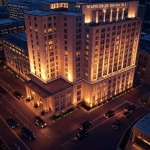
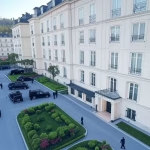
According to the official Bilderberg website, the 2024 meeting took place at the Eurostars Hotel in Madrid, Spain, from Thursday, May 30 through Sunday, June 2, 2024. This marked the first Spanish hosting since the 2010 Sitges meeting.
The official Steering Committee released a general topics list including artificial intelligence, China, European security, and economic challenges—but no participant roster.
The Disclosure Gap
Bilderberg’s transparency has decreased over time. While meetings from the 1950s through early 2000s sometimes saw partial participant lists leaked or published, recent gatherings provide minimal official information. The organization cites the Chatham House Rule to justify non-disclosure, though critics argue this applies to content, not attendance.
This information vacuum creates fertile ground for speculation, making evidence-based verification essential.
Albert Bourla: Professional Profile and Public Engagements
Career Trajectory
Albert Bourla joined Pfizer in 1993 as a veterinarian and technical director in Greece. Over 26 years, he rose through the ranks, eventually becoming CEO on January 1, 2019. His tenure coincided with unprecedented global attention due to Pfizer’s COVID-19 vaccine development.

Documented International Engagements
Public records show Bourla has participated in:
- World Economic Forum annual meetings in Davos
- Congressional testimonies in the United States
- European Parliament hearings
- International business roundtables
- Pharmaceutical industry conferences
These verified engagements demonstrate his participation in high-level international forums—but none confirm Bilderberg attendance.
The Visibility Paradox
Bourla’s high public profile during 2020-2023 makes any alleged Bilderberg attendance particularly noteworthy. However, this same visibility means credible journalists would likely report such attendance if verifiable evidence existed.
Evidence Analysis: What We Can and Cannot Confirm
Official Sources: Negative Evidence
Cross-referencing bilderbergmeetings.org yields no mention of Albert Bourla in any published materials. The site provides:
- Meeting dates and locations (confirmed for 2024)
- General discussion topics (published without attribution)
- Historical background (accurate for pre-2010 meetings)
- Steering Committee membership (does not include Bourla)
Absence of evidence is not evidence of absence—but it establishes that no official confirmation exists.
Media Reporting: No Credible Verification
Journalists who cover Bilderberg meetings, such as those from The Guardian, BBC, and specialized outlets, have not published verified reports of Bourla’s attendance. This is significant because:
- Reporters typically stake out Bilderberg venues
- High-profile attendees are often photographed arriving or departing
- Anonymous sources sometimes leak partial lists to established journalists
The absence of such reporting from credible outlets suggests either non-attendance or unprecedented operational security.

Social Media Claims: Methodological Problems
Various social media posts claim Bourla attended the 2024 meeting. Analysis of these claims reveals:
- No primary source documentation (photographs, official statements, or credible leaks)
- Circular citation patterns (posts referencing other posts without original evidence)
- Mixing of different years’ meetings in single narratives
- Conflation of Bilderberg with other elite gatherings like Davos
These methodological flaws render such claims unreliable for evidence-based analysis.
Historical Context: Pharmaceutical Industry and Bilderberg
Documented Pharma Representation
The pharmaceutical industry has historically had representation at Bilderberg meetings, though comprehensive documentation is incomplete. Verified past attendees have included:
- Executives from major European pharmaceutical companies
- Healthcare policy experts with industry connections
- Academic researchers funded by pharmaceutical interests
However, attendance by top executives from major U.S. pharmaceutical companies has been less frequently documented in available records.
The COVID-19 Era Difference
The 2020-2024 period represents unique circumstances. Pharmaceutical executives faced unprecedented public scrutiny, making Bilderberg attendance politically sensitive. This context could explain either:
- Strategic decision to avoid attendance due to optics concerns
- Enhanced operational security if attendance occurred
Without evidence, both explanations remain speculative.
The Transparency Problem: Why Verification Matters
Legitimate Public Interest
Questions about Bourla’s potential Bilderberg attendance represent legitimate public interest concerns:
- Pharmaceutical companies receive public funding and regulatory approval
- Healthcare policy affects entire populations
- Corporate access to policymakers raises democratic accountability questions
- Transparency builds public trust in institutions

The Disinformation Risk
Bilderberg’s secrecy creates vulnerability to disinformation. When legitimate information gaps exist, false claims can proliferate unchecked. This makes rigorous fact-checking essential.
As documented in our analysis of leaked Bilderberg lists, unverified claims often contain mixtures of accurate and false information, making discernment challenging.
Comparative Transparency
Other elite gatherings provide instructive contrasts:
- World Economic Forum: Publishes complete participant lists
- Munich Security Conference: Releases attendee rosters
- Trilateral Commission: Discloses membership
- Bilderberg: Provides minimal official information
This opacity distinguishes Bilderberg and fuels speculation.
Frequently Asked Questions
Did Albert Bourla attend the 2024 Bilderberg Meeting in Madrid?
No official evidence confirms Albert Bourla’s attendance at the 2024 Bilderberg Meeting. The Bilderberg organization has not published a participant list naming him, credible media outlets have not reported his attendance, and no verified photographic or documentary evidence exists. Claims of his attendance remain unconfirmed speculation.
Does Bilderberg publish attendee lists for recent meetings?
No. The Bilderberg Group has significantly reduced transparency regarding participants in recent years. While some earlier meetings saw partial lists published or leaked, the organization now provides only meeting dates, locations, and general discussion topics without naming attendees. This policy creates information gaps that complicate verification efforts.
Have pharmaceutical executives attended Bilderberg meetings historically?
Yes, pharmaceutical industry representatives have attended Bilderberg meetings over the decades, though comprehensive documentation is incomplete. Historical records show participation by executives from major European pharmaceutical companies, healthcare policy experts with industry connections, and related academics. However, each specific attendance claim requires individual verification.
What international forums has Albert Bourla verifiably attended?
Public records document Bourla’s participation in the World Economic Forum in Davos, Congressional hearings in the United States, European Parliament sessions, international business roundtables, and pharmaceutical industry conferences. These engagements demonstrate his involvement in high-level international discussions, but none confirm Bilderberg attendance.
Why does Bilderberg maintain such secrecy about participants?
The Bilderberg Group cites the Chatham House Rule to justify its confidentiality policies, arguing that privacy allows participants to speak freely without attribution. Critics contend this rule traditionally applies to discussion content rather than attendance itself, and that greater transparency about who participates would better serve democratic accountability without compromising substantive discussions.
How can I verify claims about Bilderberg attendance?
Verify Bilderberg attendance claims by: (1) checking bilderbergmeetings.org for official statements, (2) searching credible media reports from established outlets, (3) looking for photographic evidence from journalists covering the venue, (4) examining whether the claim appears in multiple independent sources with original reporting, and (5) applying skepticism to social media claims lacking primary documentation. If verification is impossible, treat claims as unconfirmed.
Key Takeaways
- No Official Confirmation: Albert Bourla’s attendance at the 2024 Bilderberg Meeting in Madrid remains entirely unverified by official sources or credible journalism.
- Transparency Deficit: Bilderberg’s non-disclosure policy regarding recent participants creates information vacuums that speculation fills, making evidence-based analysis essential.
- Historical Context Exists: Pharmaceutical industry representation at Bilderberg has precedent, but each specific attendance claim requires individual verification rather than assumption.
- Methodological Rigor Matters: Social media claims lacking primary documentation, photographic evidence, or credible journalistic sources should not be treated as factual.
- Legitimate Questions Persist: Public interest in pharmaceutical executive participation at elite forums is justified given healthcare policy’s broad impact and public funding involved.
- Comparative Transparency: Other elite gatherings like Davos publish participant lists, demonstrating that confidentiality and basic transparency are not mutually exclusive.
- Future Verification Needed: Only official statements, credible investigative journalism, or reliable documentary evidence can transform this unconfirmed claim into verified fact.
Conclusion: The Importance of Evidence-Based Analysis
The question of Albert Bourla’s attendance at the 2024 Bilderberg Meeting illustrates broader challenges in analyzing secretive elite gatherings. Without official transparency, separating fact from speculation requires disciplined methodology and honest acknowledgment of evidentiary limitations.
Bourla’s high profile makes alleged Bilderberg participation newsworthy—but newsworthiness does not substitute for verification. Until credible evidence emerges, claims of his attendance must be classified as unconfirmed.
This case study reinforces the need for greater transparency from organizations like Bilderberg. Democratic accountability requires knowing which private interests access policymakers in confidential settings. The legitimate public interest in such information deserves better than the speculation that secrecy inevitably generates.
For those interested in understanding elite power structures, the path forward involves supporting investigative journalism, advocating for transparency reforms, and maintaining rigorous standards when evaluating unverified claims. As explored in our examination of Bilderberg’s policy influence, distinguishing evidence from speculation serves the public interest better than uncritical acceptance of unverified narratives.
Sources
- Official: Bilderberg Meetings official website (bilderbergmeetings.org) – meeting dates, locations, and organizational information
- Corporate: Pfizer official website and press releases – Albert Bourla biography and corporate role
- Archival: Historical Bilderberg participant lists – pre-2010 documentation for context
- Media: The Guardian, BBC, and specialized Bilderberg coverage – absence of verified reporting noted
- Academic: Research on elite policy networks and pharmaceutical industry influence
- Methodology: Social media claims examined but not relied upon without corroboration