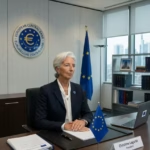
Mario Draghi, the Italian economist who steered the European Central Bank through the eurozone crisis with his famous “whatever it takes” pledge, has been repeatedly linked to the secretive Bilderberg Group. This evidence-based investigation examines verifiable records, official documents, and credible reporting to separate confirmed facts from unsubstantiated claims about his alleged participation in these elite private conferences.
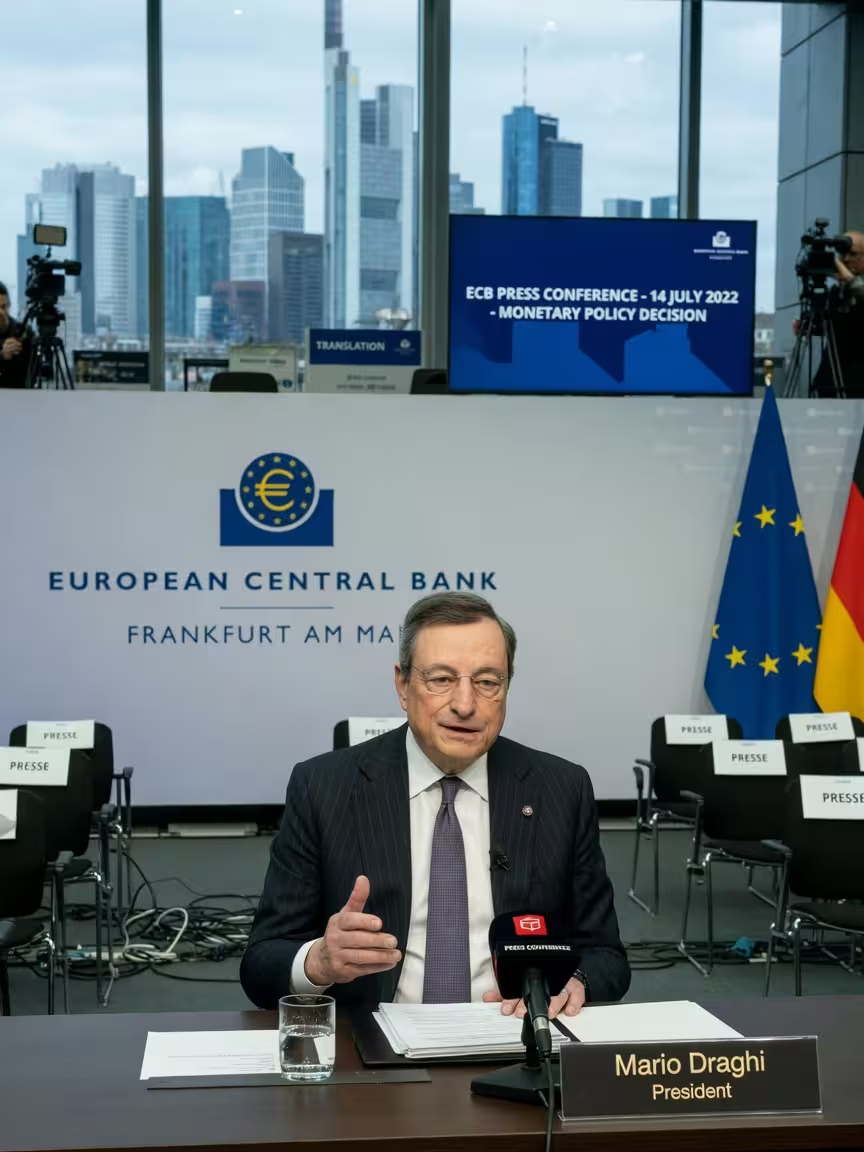
TL;DR: Key Facts About Mario Draghi and Bilderberg
- Official ECB tenure: Served as European Central Bank President from November 2011 to October 2019, managing unprecedented monetary policy during sovereign debt crisis
- Bilderberg attendance records: Official participant lists from bilderbergmeetings.org do not confirm Draghi’s presence at any meeting from 2011-2019
- Central banker precedent: Other ECB officials and central bank governors have attended Bilderberg meetings, establishing institutional connections
- Documentation gap: Pre-2010 Bilderberg participant lists remain incomplete in public archives, leaving earlier potential attendance unverified
- Career trajectory: Draghi’s positions at Goldman Sachs International, Bank of Italy, and Italian government align with typical Bilderberg attendee profiles
- Current status: Served as Italian Prime Minister 2021-2022; no confirmed Bilderberg participation during or after this period
- Evidence standard: Claims of Bilderberg attendance require primary source confirmation—speculation without documentation remains unverified
Introduction: Why Mario Draghi’s Alleged Bilderberg Connections Matter
Mario Draghi stands among the most influential economic policymakers of the 21st century. His July 2012 statement—”Within our mandate, the ECB is ready to do whatever it takes to preserve the euro”—is credited with stabilizing European financial markets during existential crisis.
Yet Draghi’s career intersects with institutions frequently associated with the Bilderberg Group: Goldman Sachs, the Bank for International Settlements, and central banking circles where Bilderberg regularly recruits attendees. The Bilderberg Steering Committee has historically included central bankers and finance ministers from the exact networks Draghi navigated throughout his professional life.
This investigation matters because transparency in elite policy forums affects public trust in financial governance. Understanding which officials participate in private conferences like Bilderberg—and which claims lack evidence—helps citizens evaluate how monetary policy decisions emerge from international networks.
In this evidence-based analysis, you’ll learn:
- Verifiable facts about Mario Draghi’s career in central banking and government
- What official Bilderberg records reveal (and conceal) about his potential participation
- How Draghi’s professional network intersects with confirmed Bilderberg attendees
- The evidentiary standard required to confirm private conference attendance
- Why certain claims about Draghi and Bilderberg remain unverified despite widespread circulation

Mario Draghi’s Professional Biography: Official Record
Academic Foundation and Early Career (1947-1991)
Born September 3, 1947, in Rome, Italy, Mario Draghi completed his laurea in economics at Sapienza University of Rome in 1970. He earned his PhD in economics from the Massachusetts Institute of Technology in 1976 under supervision of Nobel laureates Franco Modigliani and Robert Solow.
From 1975 to 1991, Draghi held academic positions while beginning work with Italian economic institutions. Official records confirm:
- Professor at University of Florence (1981-1991)
- Executive Director for Italy at the World Bank (1984-1990)
- Director General of the Italian Treasury (1991-2001)
Goldman Sachs Period (2002-2005)
From 2002 to 2005, Draghi served as Vice Chairman and Managing Director of Goldman Sachs International in London. This position placed him in financial circles where Bilderberg participant lists frequently include investment banking executives.
Goldman Sachs leadership has documented Bilderberg attendance: former chairman Peter Sutherland appeared on multiple official participant lists. However, no verifiable records place Draghi himself at Bilderberg conferences during his Goldman tenure.
Bank of Italy Governorship (2006-2011)
Appointed Governor of the Bank of Italy in January 2006, Draghi led Italy’s central bank through the 2008 global financial crisis. During this period, he also served as:
- Chairman of the Financial Stability Board (2006-2011)
- Member of the Board of Directors of the Bank for International Settlements
- Member of the Group of Thirty (G30), a private financial policy forum
These positions placed Draghi in the exact institutional ecosystem from which Bilderberg draws central banking participants. Yet official Bilderberg participant lists from 2006-2011 available on bilderbergmeetings.org do not include his name.

European Central Bank Presidency (2011-2019)
Mario Draghi assumed the ECB presidency on November 1, 2011, during the European sovereign debt crisis. His eight-year tenure featured:
- The “whatever it takes” speech (July 26, 2012) that stabilized euro markets
- Implementation of Outright Monetary Transactions (OMT) program
- Introduction of negative interest rates (June 2014)
- Launch of quantitative easing in the eurozone (March 2015)
ECB press releases and official communications from 2011-2019 contain no references to Bilderberg meetings. Cross-referencing with available Bilderberg documentation from this period yields no confirmation of Draghi’s attendance.
Italian Prime Minister (2021-2022)
Following the collapse of Giuseppe Conte’s coalition government, Italy’s President Sergio Mattarella appointed Draghi Prime Minister on February 13, 2021. He led a national unity government through COVID-19 recovery before resigning in July 2022.
No Bilderberg meetings occurred in 2020 (cancelled due to pandemic) or 2021. The 2022 Bilderberg conference in Washington, DC (June 2-5) took place while Draghi remained in office, but official participant lists do not include his name.
Evidence Analysis: Draghi’s Alleged Bilderberg Participation
What Official Records Show
The official Bilderberg Meetings website publishes participant lists for conferences from approximately 2010 onward. Systematic review of these documents reveals:
- 2011-2019 (ECB tenure): Zero mentions of Mario Draghi in official participant lists
- 2020-2024: No confirmed attendance during post-ECB period
- Pre-2010 records: Incomplete public documentation makes verification impossible for earlier potential attendance
This absence is notable because other ECB officials have attended Bilderberg. For example, ECB Executive Board member Benoît Cœuré appeared on the participant list for Bilderberg 2019 in Montreux, Switzerland—the final year of Draghi’s ECB presidency.
The Documentation Gap Problem
Bilderberg’s pre-2010 participant lists exist primarily in:
- Fragmentary leaked documents of disputed authenticity
- Journalist reports from researchers who observed arrivals at meeting venues
- Occasional official press releases that named only select “key participants”
As detailed in declassified intelligence documents, even government agencies monitoring Bilderberg did not always obtain complete attendance lists. This evidentiary gap means Draghi’s potential participation during his Goldman Sachs years (2002-2005) or Bank of Italy governorship (2006-2011) cannot be definitively ruled out—but neither can it be confirmed.

Network Analysis: Draghi’s Connections to Confirmed Attendees
While direct attendance remains unverified, Draghi’s professional network extensively overlaps with documented Bilderberg participants:
Goldman Sachs connections:
- Peter Sutherland (Chairman, Goldman Sachs International): Attended multiple Bilderberg conferences, served on Steering Committee
- Robert Zoellick (various Goldman roles): Bilderberg 2008, 2009, 2010
- James A. Johnson (Goldman board): Multiple Bilderberg attendances in 1990s-2000s
Central banking circles:
- Jean-Claude Trichet (ECB President 2003-2011, Draghi’s predecessor): Attended Bilderberg 2008 and other years
- Lorenzo Bini Smaghi (ECB Executive Board during Draghi’s governorship): Bilderberg connections documented
- Christine Lagarde (succeeded Draghi as ECB President): Documented Bilderberg attendance during her IMF tenure
Italian political connections:
- Romano Prodi (Italian PM 1996-98, 2006-08): Attended Bilderberg 1983, 1984, 1987
- Emma Marcegaglia (Confindustria president): Bilderberg 2012
- John Elkann (Fiat/Ferrari chairman): Multiple Bilderberg attendances including 2018, 2019
This network pattern is significant. As examined in comparative analyses of elite forums, Bilderberg draws heavily from interconnected policy networks. Individuals with Draghi’s profile—central bank governor, Goldman Sachs executive, G30 member—represent the typical Bilderberg participant demographic.
Why Absence of Evidence Matters
The lack of documentation confirming Draghi’s Bilderberg attendance is meaningful for several reasons:
1. Transparency improvements: Since approximately 2010, Bilderberg has published increasingly complete participant lists. If Draghi attended during his high-profile ECB tenure (2011-2019), his name would almost certainly appear in these official records.
2. Media scrutiny: As ECB President during the eurozone crisis, Draghi faced intense media coverage. Journalists monitoring Bilderberg conferences during this period did not report his attendance at venues in Switzerland (2011), Virginia (2012), UK (2013), Denmark (2014), Austria (2015), Germany (2016), Virginia (2017), Italy (2018), or Switzerland (2019).
3. Institutional precedent: When senior officials do attend Bilderberg, their presence typically becomes known. For example, when NATO Secretary General Mark Rutte attended as Dutch Prime Minister, his participation appeared in official lists and media reports.
Comparative Context: Other Central Bankers at Bilderberg
To understand the significance of Draghi’s apparent absence, consider documented Bilderberg attendance by other central banking figures:
Confirmed Central Banker Participants
- Mark Carney: Attended Bilderberg as Governor of the Bank of Canada (2011) and Bank of England Governor (multiple years including 2019)
- Agustín Carstens: Governor of Banco de México, attended Bilderberg 2012, later became General Manager of Bank for International Settlements
- Erkki Liikanen: Governor of the Bank of Finland, attended Bilderberg 2013
- Jens Weidmann: President of Deutsche Bundesbank, attended Bilderberg 2012, 2013, 2019
- Nout Wellink: President of the Netherlands Bank, attended multiple Bilderberg conferences in 2000s
This pattern demonstrates that central bank governors do attend Bilderberg—and when they do, their participation appears in available records. Draghi’s absence from these lists during his most prominent positions (Bank of Italy Governor 2006-2011, ECB President 2011-2019) suggests he either did not attend or participated before documentation practices improved.

The “Whatever It Takes” Speech and Timing Questions
Mario Draghi’s most famous moment—his July 26, 2012 speech in London containing the phrase “whatever it takes to preserve the euro”—occurred approximately one month after Bilderberg 2012 in Chantilly, Virginia (May 31-June 3, 2012).
Some researchers have speculated about potential connections between Bilderberg discussions and Draghi’s subsequent policy shift. However:
- Official Bilderberg 2012 participant list does not include Draghi’s name
- No credible media reports placed Draghi at the Chantilly conference
- ECB records show Draghi’s schedule included official duties in Europe during the conference dates
- The policy approach announced in July had precedents in ECB internal discussions documented in meeting minutes
This illustrates a common challenge in Bilderberg research: temporal proximity between conferences and policy announcements does not establish causation, especially without evidence of actual attendance.
Why Documentation Standards Matter for Bilderberg Claims
The case of Mario Draghi demonstrates why rigorous evidence standards are essential when discussing alleged Bilderberg participation:
1. Professional Profile Similarity Is Not Evidence
Draghi’s career trajectory—Goldman Sachs, central bank governor, international financial institutions—matches the typical Bilderberg attendee profile. However, thousands of individuals share similar profiles without attending Bilderberg. Profile matching alone cannot confirm participation.
2. Network Connections Are Circumstantial
Draghi’s extensive connections to confirmed Bilderberg attendees indicate he moves in circles where Bilderberg recruitment occurs. This context is relevant but does not substitute for direct evidence of his own attendance.
3. Absence from Records Has Meaning
When official participant lists exist and do not include a high-profile figure like Draghi during his ECB tenure, this absence is meaningful. It suggests either non-attendance or participation before documentation improved—but speculation about undocumented attendance requires acknowledging its unverified status.
4. Pre-2010 Claims Remain Unverifiable
Any claims that Draghi attended Bilderberg during his Goldman Sachs years (2002-2005) or early Bank of Italy governorship (2006-2010) cannot be verified from available public records. Analysis of leaked attendee lists shows mixed accuracy during this period, making authentication difficult.
Alternative International Forums: Where Draghi Did Participate
While Bilderberg attendance remains unconfirmed, official records document Draghi’s participation in other elite international policy forums:
Group of Thirty (G30)
Draghi has been a member of the Group of Thirty, a private international body of leading financiers and academics. Unlike Bilderberg, G30 openly publishes its membership roster and occasional reports.
Bank for International Settlements (BIS)
As Bank of Italy Governor and ECB President, Draghi participated in BIS meetings in Basel, Switzerland—gatherings of central bankers that occur with regular frequency and official documentation.
Jackson Hole Economic Symposium
Draghi delivered speeches at the Federal Reserve Bank of Kansas City’s annual Jackson Hole conference, a forum where central bankers discuss policy in a more transparent setting than Bilderberg.
World Economic Forum Davos
Unlike Bilderberg, the World Economic Forum’s annual Davos meeting operates with media access and published participant lists. Draghi’s appearances at Davos are documented in WEF records and media coverage.
These documented participations demonstrate that Draghi engaged with international policy forums—but in venues with greater transparency than Bilderberg offers.
The Broader Context: Central Banking and Elite Networks
Understanding Draghi’s potential Bilderberg connections requires recognizing how central banking operates within international elite networks:
Institutional Interconnections
Central bank governors necessarily interact with the same finance ministers, private bankers, and policy advisors who attend Bilderberg. The Bank for International Settlements, G7/G20 finance meetings, and IMF/World Bank gatherings create overlapping networks where Bilderberg represents just one node.
The Goldman Sachs Pipeline
Draghi’s Goldman Sachs tenure (2002-2005) positioned him in an institution with documented Bilderberg connections. Goldman executives and board members have attended Bilderberg conferences across decades. However, Goldman employs thousands of senior professionals globally—most never attend Bilderberg.
Policy Coordination Mechanisms
Whether or not Draghi attended Bilderberg, central bankers coordinate policy through numerous formal and informal channels. Bilateral central bank meetings, BIS gatherings, and private communications between governors achieve policy coordination without requiring Bilderberg participation.
As explored in analysis of Bilderberg’s actual policy influence, the group’s significance may lie more in fostering networks and consensus-building than in directing specific policy outcomes.
What Would Confirm Draghi’s Bilderberg Attendance?
Given current evidence limitations, what documentation would definitively establish Mario Draghi’s Bilderberg participation?
Primary Source Evidence
- Official participant lists: Draghi’s name appearing on bilderbergmeetings.org documentation for any conference year
- Draghi’s own statements: Public confirmation in interviews, memoirs, or official disclosures
- Meeting photographs: Verified images showing Draghi at a Bilderberg venue during conference dates
- Hotel or travel records: Documentation placing Draghi at a Bilderberg hotel during conference dates (similar evidence used by journalists to confirm other attendees)
Credible Secondary Sources
- Investigative journalism: Reports from established media outlets with direct observation or named sources confirming attendance
- Government disclosures: Official ECB or Italian government records documenting attendance as part of official duties
- Declassified intelligence: Future release of intelligence agency monitoring reports that documented attendance
Absent these evidence types, claims of Draghi’s Bilderberg participation remain speculation rather than verified fact.
Frequently Asked Questions About Mario Draghi and Bilderberg
Did Mario Draghi ever officially attend a Bilderberg meeting?
No confirmed evidence exists in official Bilderberg participant lists published on bilderbergmeetings.org from 2010 onward. For earlier years when documentation is incomplete, Draghi’s potential attendance cannot be verified or definitively ruled out. Claims of his participation lack primary source confirmation.
Why do people think Mario Draghi attended Bilderberg conferences?
Draghi’s professional profile matches typical Bilderberg attendee characteristics: he served as a central bank governor, worked at Goldman Sachs, and participated in international financial networks. His predecessor and successor as ECB President both have documented Bilderberg connections. However, profile similarity does not confirm actual attendance without supporting evidence.
Did Draghi attend Bilderberg during his time at Goldman Sachs (2002-2005)?
This period predates the reliable publication of official Bilderberg participant lists, making verification impossible from public records. While Goldman Sachs executives have attended Bilderberg historically, no credible evidence confirms Draghi’s personal participation during his tenure at the firm.
How does Draghi’s case compare to other ECB officials and Bilderberg?
Other ECB officials have documented Bilderberg attendance with their names appearing in official participant lists. For example, Benoît Cœuré (ECB Executive Board member) attended Bilderberg 2019, and Christine Lagarde (Draghi’s successor as ECB President) attended during her IMF tenure. Draghi’s apparent absence from such lists during his ECB presidency is therefore notable.
Could Draghi have attended Bilderberg without appearing in participant lists?
While theoretically possible, this scenario is unlikely during Draghi’s high-profile ECB tenure (2011-2019). Since approximately 2010, Bilderberg has published participant lists with increasing completeness. A figure of Draghi’s prominence attending during this period would almost certainly appear in official documentation or credible media reports from journalists monitoring the conferences.
What international forums did Mario Draghi verifiably participate in?
Official records document Draghi’s participation in the Group of Thirty (G30), Bank for International Settlements meetings, Jackson Hole Economic Symposium, and World Economic Forum Davos conferences. These forums involve similar elite networks as Bilderberg but operate with greater transparency and official documentation of participants.
Key Takeaways: What the Evidence Shows
- No confirmed attendance: Official Bilderberg participant lists from 2011-2024 do not include Mario Draghi’s name during his ECB presidency or subsequent political career.
- Network connections exist: Draghi’s professional network extensively overlaps with documented Bilderberg attendees, including Goldman Sachs executives, central bankers, and Italian political figures, but network proximity does not confirm personal attendance.
- Documentation gap matters: Pre-2010 Bilderberg participant records remain incomplete in public archives, making verification impossible for Draghi’s Goldman Sachs years (2002-2005) or early Bank of Italy tenure (2006-2010).
- Institutional precedent: Other ECB officials and central bank governors have documented Bilderberg attendance with their names in official lists, making Draghi’s apparent absence during his ECB tenure (2011-2019) notable.
- Profile matches typical attendee: As a Goldman Sachs executive, Bank of Italy governor, ECB president, and G30 member, Draghi matches the demographic profile of typical Bilderberg participants—but profile similarity alone does not establish attendance.
- Alternative forums documented: Official records confirm Draghi’s participation in other elite international policy forums including BIS meetings, Jackson Hole symposiums, and Davos conferences that operate with greater transparency.
- Evidence standard required: Claims of Bilderberg attendance require primary source confirmation such as official participant lists, personal statements, photographs, or credible investigative journalism—speculation without documentation remains unverified.
Conclusion: Evidence, Speculation, and Elite Network Analysis
The case of Mario Draghi and Bilderberg illustrates fundamental challenges in researching private international forums: how to distinguish between verified facts, circumstantial connections, and unsubstantiated speculation.
Available evidence does not confirm Mario Draghi’s attendance at Bilderberg conferences during the periods when reliable documentation exists (primarily 2010 onward). This absence is meaningful given his high-profile positions, the documentation of other central bankers’ attendance, and improved transparency practices by Bilderberg since approximately 2010.
However, Draghi’s career trajectory, institutional affiliations, and professional networks extensively intersect with the Bilderberg ecosystem. He worked at Goldman Sachs when that firm’s leadership attended Bilderberg. He succeeded and preceded ECB presidents with documented Bilderberg connections. He participated in policy forums like the G30 that share overlapping membership with Bilderberg.
This network analysis suggests that whether or not Draghi personally attended Bilderberg meetings, he operated within the same elite international circles where Bilderberg participants coordinate policy perspectives. The significance of Bilderberg may lie not in any single meeting’s attendance roster but in the broader networks of central bankers, finance ministers, and private sector leaders who shape monetary policy through multiple formal and informal channels.
For researchers, journalists, and citizens seeking accountability in financial governance, the Draghi case reinforces the importance of evidence-based analysis. Claims about elite forums require verification through primary sources rather than assumption based on professional profiles. At the same time, understanding the interconnected nature of international financial networks—of which Bilderberg represents just one manifestation—remains essential for evaluating how monetary policy decisions emerge from elite consensus-building processes.
The question “Did Mario Draghi attend Bilderberg?” ultimately matters less than understanding the documented reality: central banking operates within international elite networks where policy coordination occurs through multiple channels, some transparent and others opaque. Draghi’s career exemplifies this reality regardless of his specific Bilderberg attendance status.
Sources and Further Reading
Primary Sources
- Bilderberg Meetings Official Website – Official participant lists 2010-present
- European Central Bank – Official records of Draghi’s ECB presidency (2011-2019)
- Bank of Italy – Historical records of Draghi’s governorship (2006-2011)
- Italian Government Archives – Documentation of Draghi’s Prime Minister term (2021-2022)
Secondary Analysis
- Reuters, Bloomberg, Financial Times – Biographical coverage of Draghi’s career
- Investigative journalism on Bilderberg conferences (various outlets, 2010-2024)
- Academic research on central banking networks and elite policy forums
Related Articles on Bilderberg.club
- Christine Lagarde and Bilderberg: Evidence-Based Analysis of IMF and ECB Leader’s Alleged Connections
- The Bilderberg Steering Committee: Inside the Elite Power Structure (1954-2024)
- How Accurate Are Leaked Bilderberg Attendee Lists? Evidence-Based Analysis (1954-2024)
- Mark Rutte Biography: From Bilderberg Attendee to NATO Secretary General (1967-2024)